

FOVAC Metalworking Fluids & Coolants for Precision Machining Performance

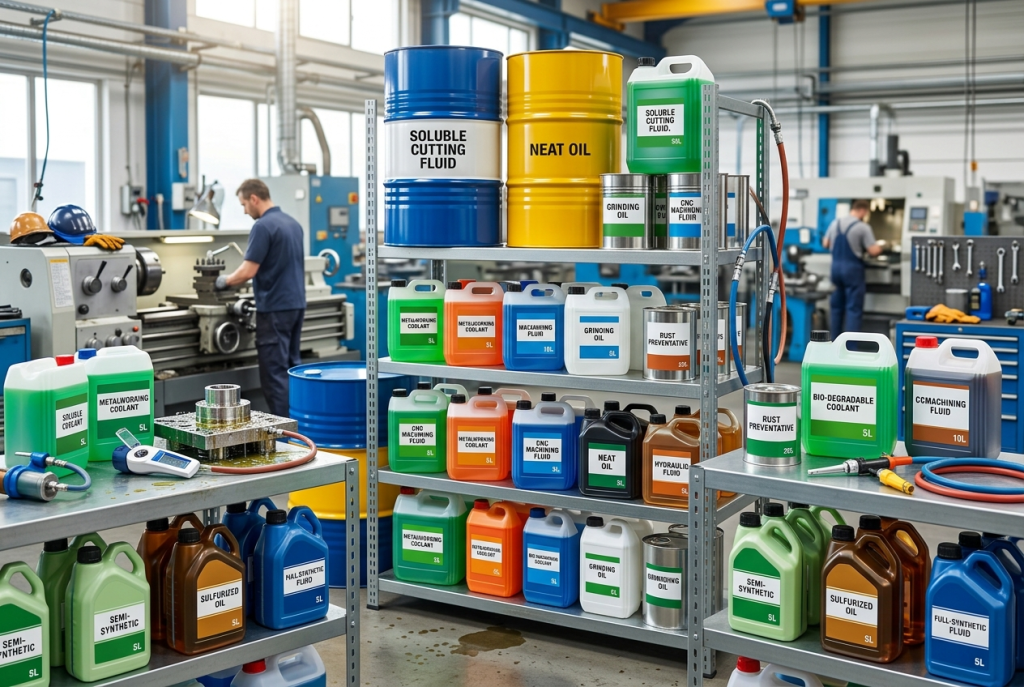
Introduction: The Critical Role of Metalworking Fluids in Modern Manufacturing
In today’s advanced manufacturing landscape, precision, speed, and efficiency are essential. From automotive components to aerospace structures, from heavy engineering parts to micro-machined electronics, metal fabrication processes demand extreme accuracy.
However, every machining process—whether turning, milling, drilling, grinding, or cutting—generates heat, friction, and material stress. Without proper control, these forces can damage tools, reduce product quality, and shorten machine life.
This is where metalworking fluids and coolants become essential.
Metalworking fluids serve multiple critical functions:
- Cooling cutting zones during machining
- Lubricating tool-workpiece interfaces
- Removing metal chips and debris
- Preventing corrosion on freshly cut surfaces
- Improving surface finish quality
The FOVAC metalworking fluid system, developed within Ferrovic’s industrial chemical engineering ecosystem, is designed to meet these exact requirements in high-performance machining environments.
Understanding Metalworking Fluids and Their Importance
Metalworking fluids (MWFs) are specialized chemical formulations used during machining and metal forming operations.
They are designed to manage:
- Heat generated by friction
- Tool wear and surface degradation
- Chip evacuation and cleanliness
- Dimensional accuracy of components
Why Metalworking Fluids Are Essential in Machining
Without effective coolant systems, machining operations suffer from:
1. Excessive Heat Build-Up
High-speed cutting generates intense heat that can:
- Deform workpieces
- Reduce tool hardness
- Cause surface burns or cracks
2. Tool Wear and Breakage
Friction between tool and metal leads to:
- Rapid edge wear
- Reduced tool lifespan
- Frequent tool replacement
3. Poor Surface Finish
Without lubrication:
- Rough surfaces occur
- Dimensional accuracy decreases
- Post-processing requirements increase
4. Corrosion and Oxidation
Freshly machined metal surfaces are highly reactive and can:
- Rust quickly
- Oxidize in humid environments
- Lose structural integrity
Types of Metalworking Fluids
Metalworking fluids are classified based on composition and application.
1. Water-Soluble Cutting Fluids (Emulsions)
These fluids mix oil with water to form a stable emulsion.
Key Characteristics
- Excellent cooling performance
- Good lubrication balance
- Cost-effective solution
- Widely used in general machining
Applications
- Turning
- Milling
- Drilling
- General machining operations
2. Semi-Synthetic Cutting Fluids
A hybrid formulation combining oil and synthetic additives.
Advantages
- Better stability than emulsions
- Improved cooling and lubrication balance
- Reduced bacterial growth
Applications
- CNC machining
- High-speed cutting
- Precision engineering
3. Fully Synthetic Coolants
Oil-free chemical solutions designed for extreme performance.
Advantages
- Superior cooling capability
- Clean operation with minimal residue
- Long fluid life
Applications
- Grinding operations
- High-speed machining
- Precision finishing
4. Straight Cutting Oils
Non-water-mixed oils used for heavy-duty machining.
Advantages
- Excellent lubrication
- High-pressure resistance
- Reduced tool wear
Applications
- Deep drilling
- Heavy machining
- Thread cutting
5. Specialty Metalworking Fluids
Includes:
- Rust preventive fluids
- EDM (Electrical Discharge Machining) fluids
- Forming oils for stamping and pressing
FOVAC Metalworking Fluid Engineering Philosophy
The FOVAC system is designed around three core engineering principles:
1. Thermal Control Efficiency
FOVAC coolants are engineered to:
- Rapidly absorb machining heat
- Maintain stable temperature zones
- Prevent thermal deformation of workpieces
2. Lubrication Optimization
The fluid forms a protective boundary layer that:
- Reduces friction between tool and metal
- Improves cutting efficiency
- Extends tool lifespan
3. Chip Removal and Cleaning Efficiency
Effective chip evacuation prevents:
- Re-cutting of chips
- Surface scratching
- Machine contamination
4. Corrosion Protection System
Freshly machined parts are protected against:
- Oxidation
- Humidity exposure
- Storage corrosion
Machining Processes That Rely on Metalworking Fluids
1. Turning Operations
- Continuous cutting process
- Requires stable cooling and lubrication
2. Milling Operations
- High-speed rotating tools
- Requires strong heat control
3. Drilling Operations
- Deep penetration machining
- High friction zones
4. Grinding Operations
- Extremely high heat generation
- Requires precision cooling
5. Cutting and Shaping
- Requires surface finish control
- Demands tool protection
Industrial Challenges in Metalworking Environments
1. High-Speed Machining Heat
Modern CNC machines operate at extreme speeds.
2. Tool Wear Costs
Frequent tool replacement increases operational cost.
3. Fluid Contamination
Metal chips and bacteria can degrade coolant quality.
4. Machine Compatibility
Different machines require different fluid formulations.
5. Environmental Control
Coolants must balance performance with safe handling and disposal.
How FOVAC Metalworking Fluids Solve These Challenges
1. Advanced Cooling Performance
Rapid heat dissipation ensures stable machining temperatures.
2. High Lubrication Film Strength
Protects cutting tools from direct metal contact.
3. Stable Emulsion Technology
Prevents separation and extends fluid life.
4. Anti-Bacterial Formulation Support
Reduces microbial growth in water-based systems.
5. Corrosion Inhibition
Protects both machines and finished parts.
6. Multi-Metal Compatibility
Suitable for:
- Steel
- Aluminum
- Brass
- Alloy materials
Benefits of High-Performance Metalworking Fluids
1. Improved Machining Efficiency
Faster cutting speeds with stable performance.
2. Extended Tool Life
Reduced wear leads to lower replacement costs.
3. Better Surface Finish
Smooth and accurate machining results.
4. Lower Machine Downtime
Reduced overheating and mechanical stress.
5. Increased Production Output
Stable machining conditions improve throughput.
Integration into Industrial Maintenance Systems
Metalworking fluids are part of a broader maintenance ecosystem.
Preventive Maintenance
- Regular fluid replacement
- Concentration monitoring
- Machine cleaning cycles
Corrective Maintenance
- Fluid replacement after contamination
- Machine flushing procedures
- System recalibration
Predictive Maintenance
- Fluid condition analysis
- Temperature monitoring
- Machine vibration analysis
Environmental and Operational Considerations
Modern manufacturing prioritizes:
- Reduced chemical waste
- Longer fluid lifecycle
- Lower energy consumption
- Improved workplace safety
FOVAC metalworking fluids are designed to support efficient usage and reduced consumption cycles.
Frequently Asked Questions (FAQ)
1. What are metalworking fluids used for?
They are used to cool, lubricate, and protect during machining processes.
2. Why is coolant important in machining?
It prevents overheating, reduces tool wear, and improves surface quality.
3. What is the difference between cutting oil and coolant?
Cutting oil focuses on lubrication, while coolant emphasizes heat reduction.
4. How often should metalworking fluids be changed?
It depends on usage intensity, contamination level, and machine type.
5. Can metalworking fluids prevent rust?
Yes, they include corrosion inhibitors to protect metal surfaces.
6. What happens if coolant is not used?
Machining quality drops, tools wear faster, and overheating occurs.
7. Are metalworking fluids safe for all metals?
Different formulations are designed for compatibility with specific metals.
Conclusion: Precision Manufacturing Requires Precision Fluids
Metalworking fluids are a fundamental part of modern manufacturing systems. Without them, machining accuracy, tool longevity, and production efficiency would significantly decline.
The FOVAC metalworking fluid system is engineered to deliver:
- Superior cooling performance
- Strong lubrication protection
- Corrosion resistance
- Stable machining conditions
- Long-term operational efficiency
In today’s competitive manufacturing environment, metalworking fluids are not just consumables—they are critical performance enablers for industrial productivity and precision engineering success.