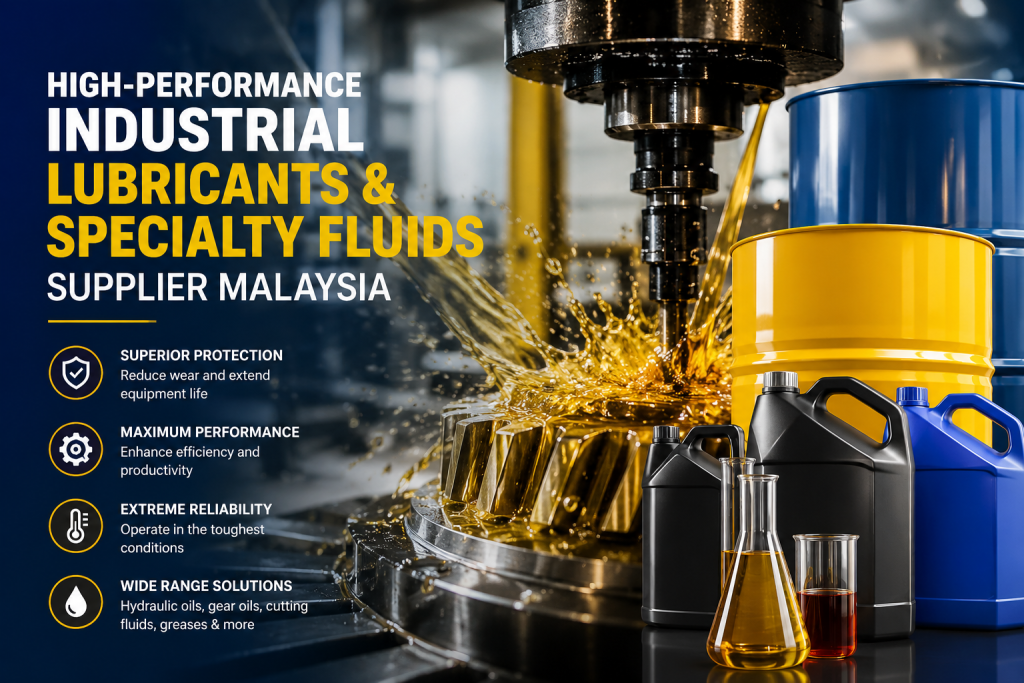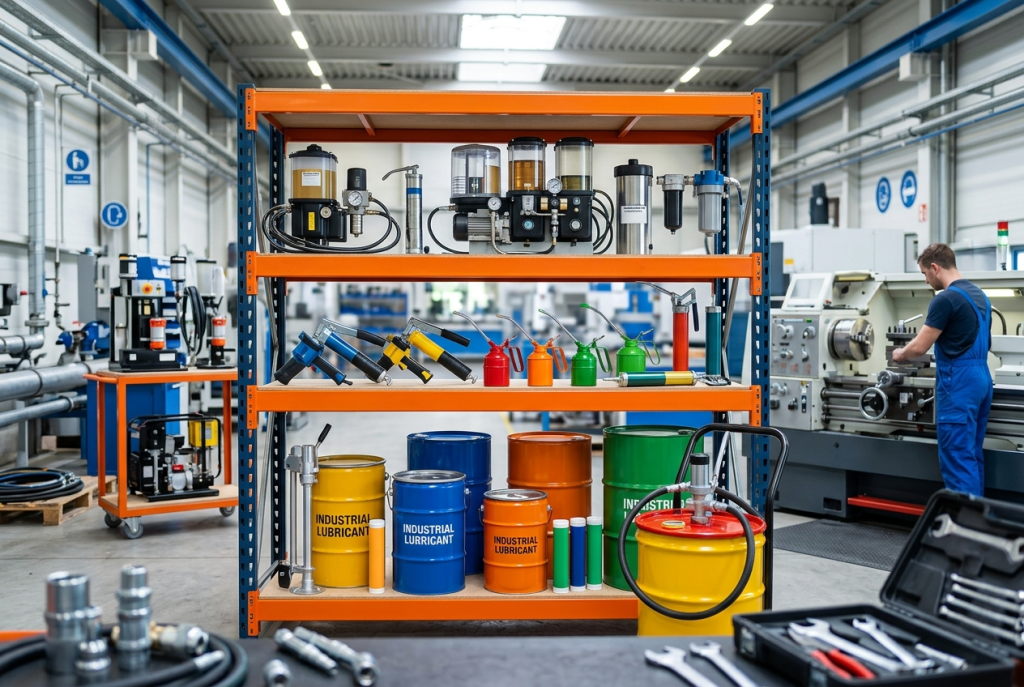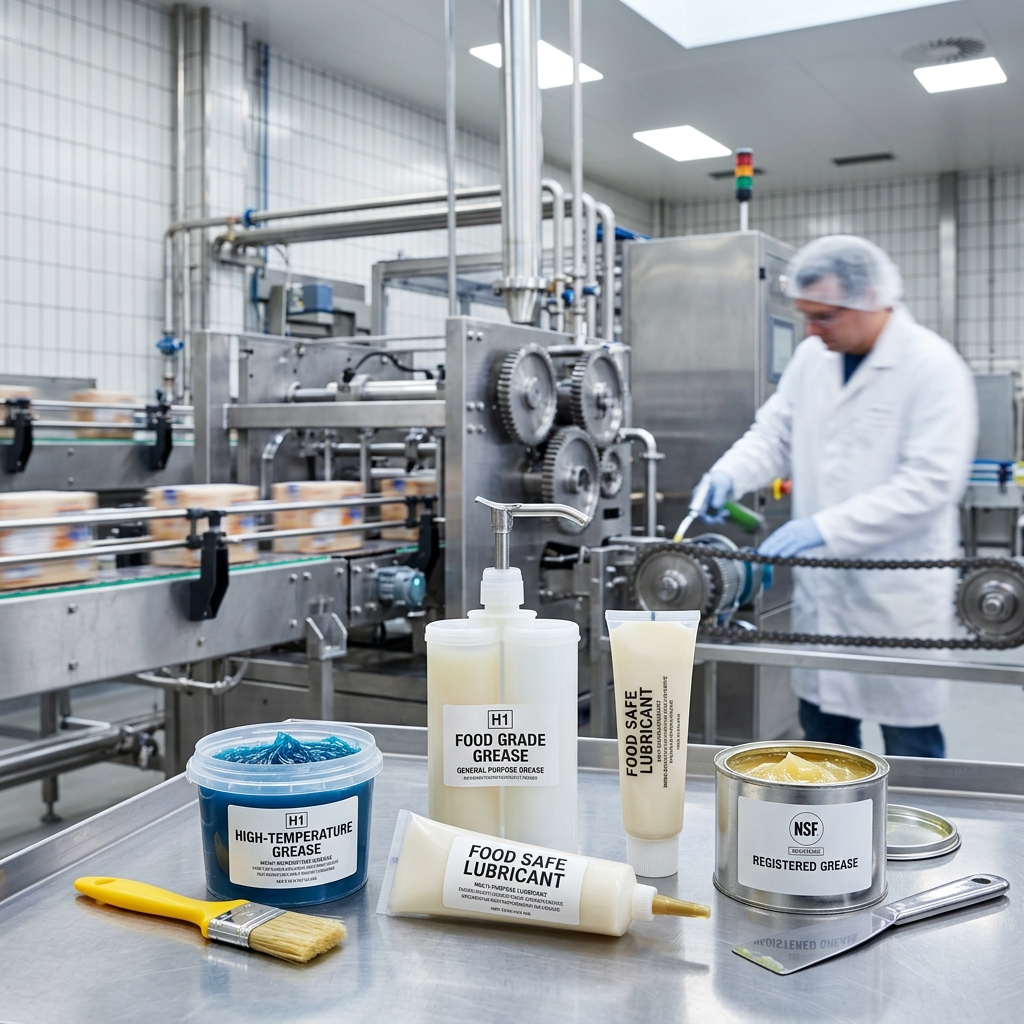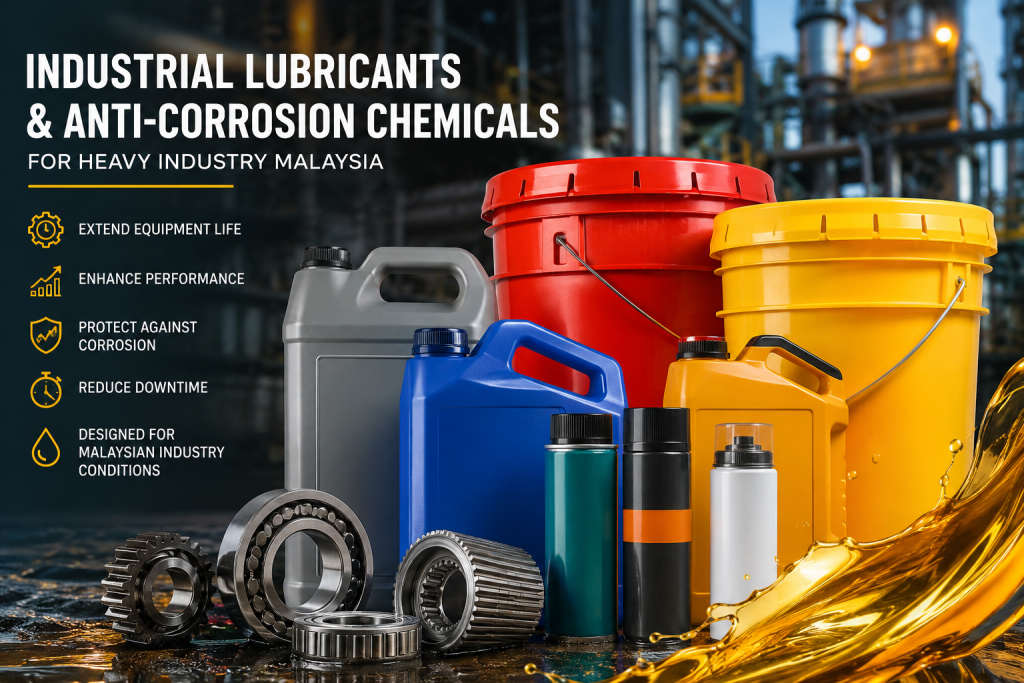

FOVAC Industrial Lubricants & Oils for High-Performance Machinery Protection

Introduction: The Foundation of Industrial Performance
Industrial productivity depends heavily on one critical factor that often operates behind the scenes: lubrication engineering.
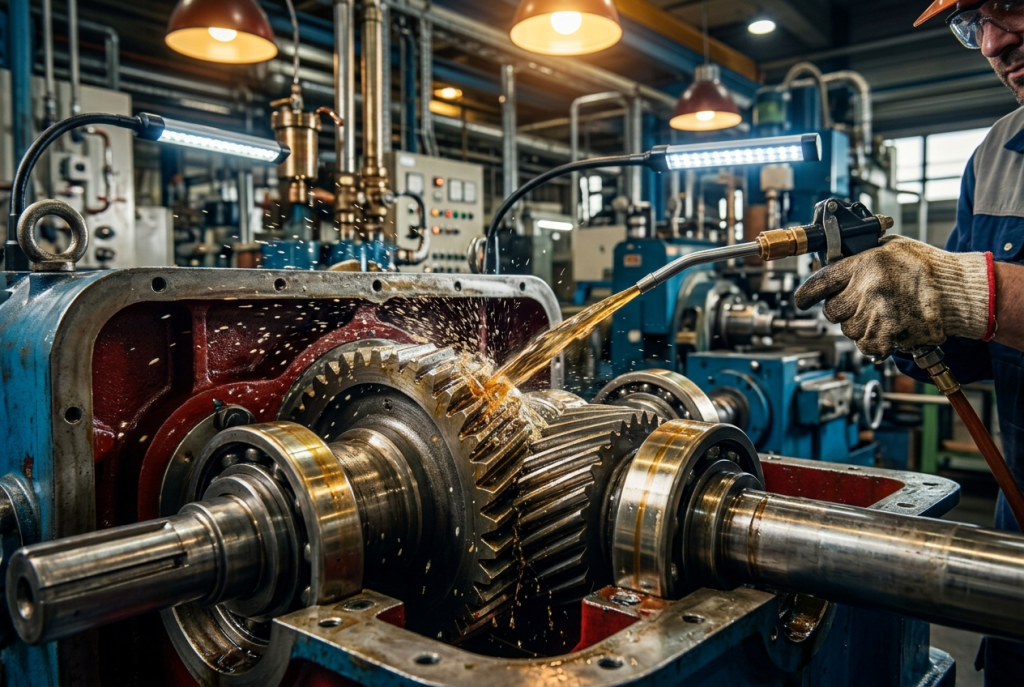
Every rotating shaft, hydraulic system, gearbox, conveyor line, and high-speed bearing relies on a controlled layer of lubrication to function efficiently. Without it, friction increases, heat builds up, and mechanical systems degrade rapidly.
In modern industries such as manufacturing, automotive production, marine engineering, food processing, and heavy construction, industrial lubricants and oils are not optional—they are essential engineering inputs.
The FOVAC industrial lubrication system, developed within Ferrovic’s chemical engineering ecosystem, is designed to support this requirement by delivering:
- High-performance lubrication stability
- Anti-wear and extreme pressure protection
- Corrosion resistance in harsh environments
- Thermal stability under continuous operation
- Compatibility with modern industrial machinery systems
This makes it suitable for both general-purpose industrial applications and highly demanding operational environments.
Understanding Industrial Lubricants and Their Role in Machinery
Industrial lubricants are chemical formulations designed to reduce friction between moving mechanical parts.
Core Functions of Industrial Lubricants
Lubricants serve multiple engineering functions:
- Reduce friction between metal surfaces
- Prevent mechanical wear and abrasion
- Control heat generation in systems
- Protect components from oxidation and corrosion
- Improve overall machine efficiency
- Extend equipment lifespan
Why Industrial Lubrication Is Critical in Modern Industry
Without proper lubrication, industrial systems suffer from:
- Increased energy consumption
- Rapid wear of components
- Overheating of mechanical systems
- Unexpected breakdowns
- Expensive downtime and maintenance cycles
Research in industrial maintenance consistently shows that lubrication-related failures contribute significantly to equipment downtime in manufacturing and heavy industry environments.
Types of Industrial Lubricants and Oils
Industrial lubrication systems are generally divided into several categories depending on application and performance requirements.
1. Industrial Oils
Industrial oils are liquid lubricants used in systems requiring continuous flow or heat transfer.
Key Characteristics
- High fluidity for circulation systems
- Good thermal conductivity
- Low friction coefficient
- Suitable for high-speed machinery
Common Applications
- Hydraulic systems
- Gear systems
- Compressors
- Turbines
- Engine lubrication systems
2. Industrial Grease Systems
Grease is a semi-solid lubricant composed of base oil, thickener, and performance additives.
Key Advantages
- Stays in place under pressure
- Ideal for slow to medium-speed bearings
- Excellent sealing properties
- Resistant to water washout
Applications
- Bearings
- Joints
- Heavy machinery connections
- Conveyor rollers
3. Synthetic Lubricants
Synthetic lubricants are engineered for high-performance environments.
Advantages
- Higher temperature resistance
- Longer service life
- Improved oxidation stability
- Better performance under extreme pressure
4. Specialty Industrial Fluids
These include:
- Compressor oils
- Hydraulic fluids
- Gear oils
- Chain lubricants
- Heat transfer fluids
FOVAC Industrial Lubrication Engineering Approach
The FOVAC system is built around a multi-layer protection philosophy designed for real-world industrial stress conditions.
1. Friction Reduction Technology
FOVAC lubricants form a stable film layer that reduces metal-to-metal contact.
2. Thermal Stability Enhancement
Industrial machines often operate under continuous load and high temperatures. FOVAC formulations are designed to:
- Resist thermal breakdown
- Maintain viscosity stability
- Prevent oxidation under heat
3. Anti-Wear Protection System
Additive chemistry helps protect:
- Gear teeth
- Bearings
- Hydraulic pistons
- Sliding metal surfaces
4. Corrosion Inhibition Layer
FOVAC lubricants protect against:
- Moisture exposure
- Oxygen reaction
- Chemical contaminants
- Industrial humidity
Industrial Applications of Lubricants and Oils
1. Manufacturing Industry
Industrial lubricants are used in:
- CNC machines
- Conveyor systems
- Automated production lines
- Robotic systems
2. Automotive Industry
Applications include:
- Engine lubrication
- Transmission systems
- Suspension components
- Assembly line machinery
3. Marine and Offshore Industry
Machines are exposed to saltwater and humidity:
- Deck machinery
- Winches and cranes
- Engine systems
- Hydraulic systems
4. Oil and Gas Industry
Lubricants are required for:
- High-pressure pumps
- Drilling equipment
- Pipeline systems
- Refinery machinery
5. Food and Beverage Manufacturing (Indirect Systems)
Where applicable:
- Conveyor bearings
- Packaging machinery
- Filling systems
- Automated production lines
Industrial Oil Performance Challenges
Industrial environments present several lubrication challenges:
1. High Temperature Operation
Heat breaks down lubricant structure, reducing effectiveness.
2. Heavy Load Conditions
Extreme pressure leads to metal deformation if lubrication fails.
3. Moisture and Water Exposure
Water contamination reduces lubrication effectiveness.
4. Dust and Contamination
Particles accelerate wear and system blockage.
5. Continuous Operation Cycles
Machines running 24/7 require long-lasting lubrication stability.
How FOVAC Industrial Lubricants Solve These Challenges
1. Enhanced Oil Film Strength
Prevents direct metal contact under load.
2. Oxidation Resistance
Maintains stability under heat and oxygen exposure.
3. Water Resistance Technology
Reduces washout and maintains lubrication layer integrity.
4. Extended Service Life
Reduces the need for frequent reapplication.
5. Multi-Environment Compatibility
Works across:
- Hot industrial zones
- Humid environments
- High-load mechanical systems
Maintenance Strategy Using Industrial Lubricants
Effective lubrication is part of a structured maintenance system.
Preventive Maintenance
- Scheduled oil changes
- Grease reapplication cycles
- Equipment inspection routines
Corrective Maintenance
- Emergency lubrication after failure
- Component replacement
- System cleaning and re-lubrication
Predictive Maintenance
- Oil condition monitoring
- Vibration analysis
- Temperature tracking
Environmental and Operational Efficiency
Modern industrial lubrication systems are designed not only for performance but also for efficiency.
FOVAC lubrication systems contribute to:
- Reduced energy consumption
- Lower maintenance frequency
- Extended equipment lifespan
- Improved production uptime
Benefits of High-Performance Industrial Lubricants
1. Reduced Machinery Downtime
Proper lubrication prevents unexpected breakdowns.
2. Lower Operational Costs
Fewer repairs and replacements reduce cost.
3. Improved Energy Efficiency
Reduced friction leads to lower power consumption.
4. Extended Equipment Lifespan
Protects machinery from early wear.
5. Higher Production Stability
Ensures smooth continuous operations.
Frequently Asked Questions (FAQ)
1. What are industrial lubricants used for?
They reduce friction, protect machinery, and improve operational efficiency.
2. What is the difference between oil and grease?
Oil is fluid and used in circulation systems, while grease stays in place for long-term lubrication.
3. Why do machines need lubrication?
To prevent wear, overheating, and mechanical failure.
4. How often should industrial oil be replaced?
It depends on load, temperature, and operating conditions.
5. Can lubricants prevent corrosion?
Yes, many industrial lubricants include corrosion inhibitors.
6. What industries rely most on lubricants?
Manufacturing, automotive, marine, oil and gas, and heavy engineering sectors.
7. What happens if lubrication is not maintained?
Machines can overheat, wear out quickly, and fail prematurely.
Conclusion: The Role of Lubrication in Industrial Reliability
Industrial lubricants and oils are essential to maintaining the health, efficiency, and longevity of mechanical systems.
The FOVAC lubrication system is designed to meet the demands of modern industry by providing:
- Reliable friction reduction
- Thermal and chemical stability
- Protection against wear and corrosion
- Long-term operational performance
In any industrial environment, lubrication is not just maintenance—it is a core engineering requirement that determines productivity and operational success.