
FOVAC Industrial Lubricants & Anti-Corrosion Chemicals for Heavy Industry

Introduction: The Critical Role of Industrial Lubrication and Corrosion Protection
In industrial operations, machinery reliability determines productivity, cost efficiency, and operational safety. Whether in manufacturing plants, automotive workshops, offshore platforms, or heavy engineering facilities, equipment is constantly exposed to friction, heat, moisture, and chemical stress.
These conditions lead to three major engineering problems:
- Mechanical wear caused by friction
- Corrosion and rust due to environmental exposure
- Seizing and failure of metal-to-metal contact points
To address these challenges, advanced chemical engineering solutions are required. This is where industrial lubricants, anti-corrosion coatings, anti-seize compounds, and maintenance chemicals play a crucial role.
The FOVAC industrial chemical system developed by Ferrovic Corporation (Malaysia) is designed specifically to protect machinery in harsh environments and extend operational life across multiple industries.
Built with decades of formulation experience in industrial lubrication technology, FOVAC products are engineered for:
- High-temperature resistance
- Heavy-load industrial applications
- Humid and coastal environments
- Continuous production systems
- Precision mechanical assemblies
This article explores how modern industrial chemical systems function and how FOVAC solutions address real-world maintenance challenges in demanding industries.
Understanding Industrial Failure: Why Machines Break Down
Industrial equipment rarely fails suddenly. Instead, degradation happens gradually through predictable chemical and mechanical processes.
1. Friction-Induced Wear
When two metal surfaces move against each other without adequate lubrication:
- Microscopic surface damage occurs
- Heat is generated due to resistance
- Energy efficiency decreases
- Components gradually deform
Over time, this leads to equipment failure or costly downtime.
2. Corrosion in Industrial Environments
Corrosion is one of the most destructive forces affecting metal infrastructure.
It is triggered by:
- Oxygen exposure
- Moisture and humidity
- Salt in marine environments
- Industrial chemical contamination
Corrosion leads to:
- Structural weakening
- Reduced mechanical tolerance
- Bolt and joint failure
- Safety risks in critical systems
3. Seizing and Galling in Metal Components
Seizing occurs when metal surfaces bond under pressure and heat, especially in:
- Threaded fasteners
- High-torque assemblies
- Stainless steel connections
Once seized, components become extremely difficult to disassemble, often requiring destructive removal.
Industrial Chemical Engineering Approach to Protection
Modern maintenance chemistry focuses on preventive protection rather than reactive repair.
Industrial chemical systems typically provide:
- Lubrication barriers to reduce friction
- Anti-oxidation layers to prevent rust
- Protective coatings against moisture ingress
- Load-bearing additives for heavy machinery
The goal is simple:
Extend machine life while reducing maintenance cost and downtime.
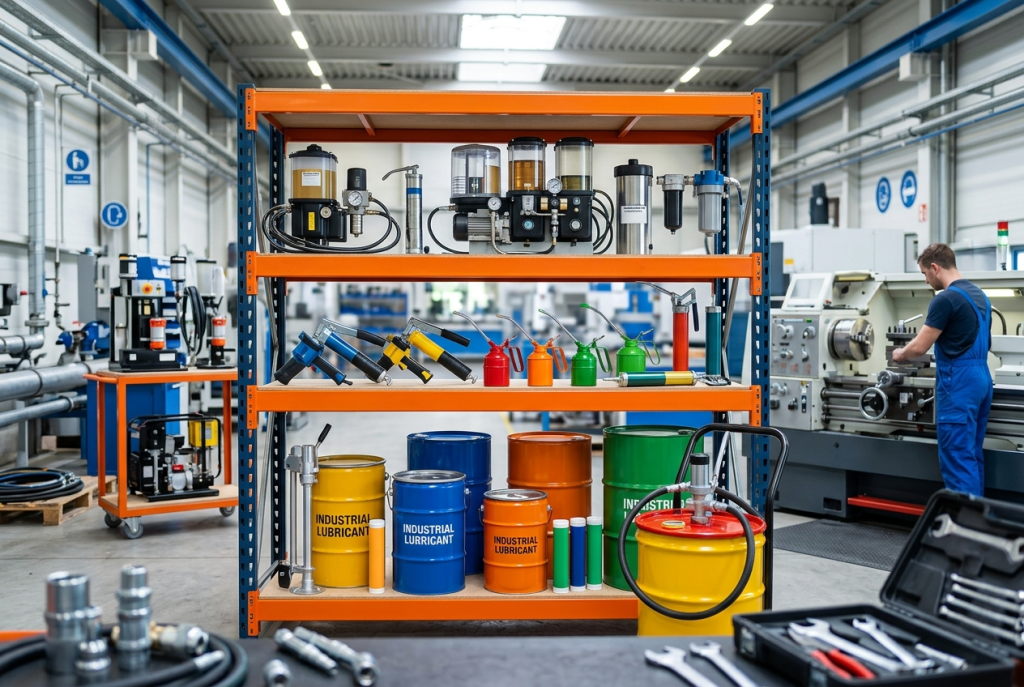
FOVAC Industrial Lubrication System Overview
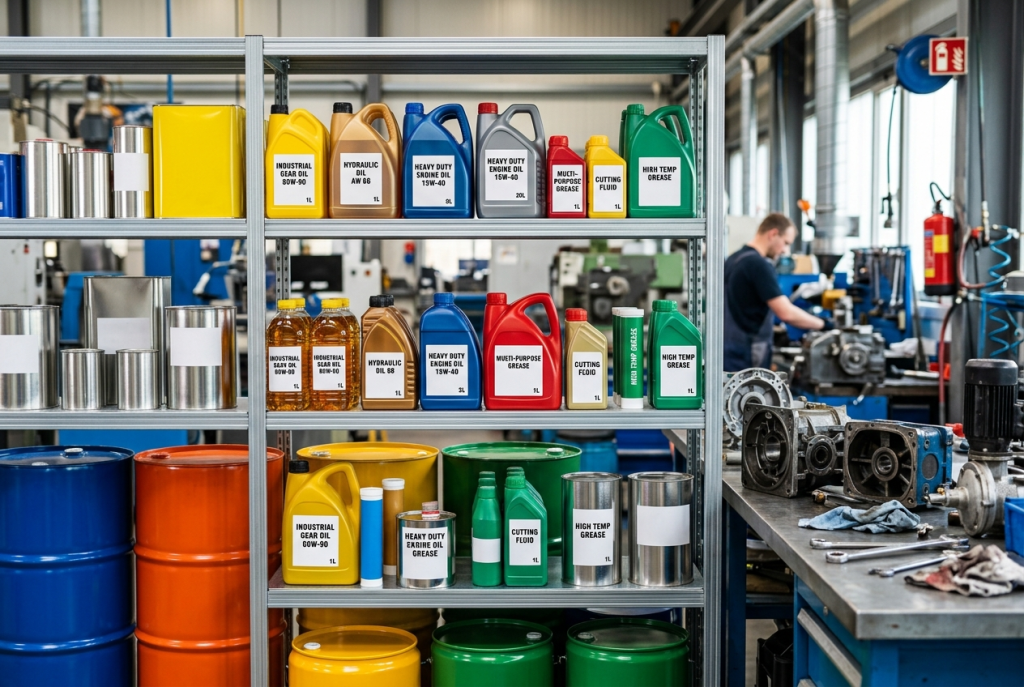
The FOVAC product ecosystem is structured into multiple functional chemical categories:
- Industrial lubricants (oil and grease systems)
- Anti-corrosion coatings
- Anti-seize compounds
- Aerosol maintenance sprays
- Cleaning and degreasing chemicals
- Performance additives
Each category is engineered for a specific industrial challenge.
Industrial Lubricants: The Foundation of Mechanical Efficiency
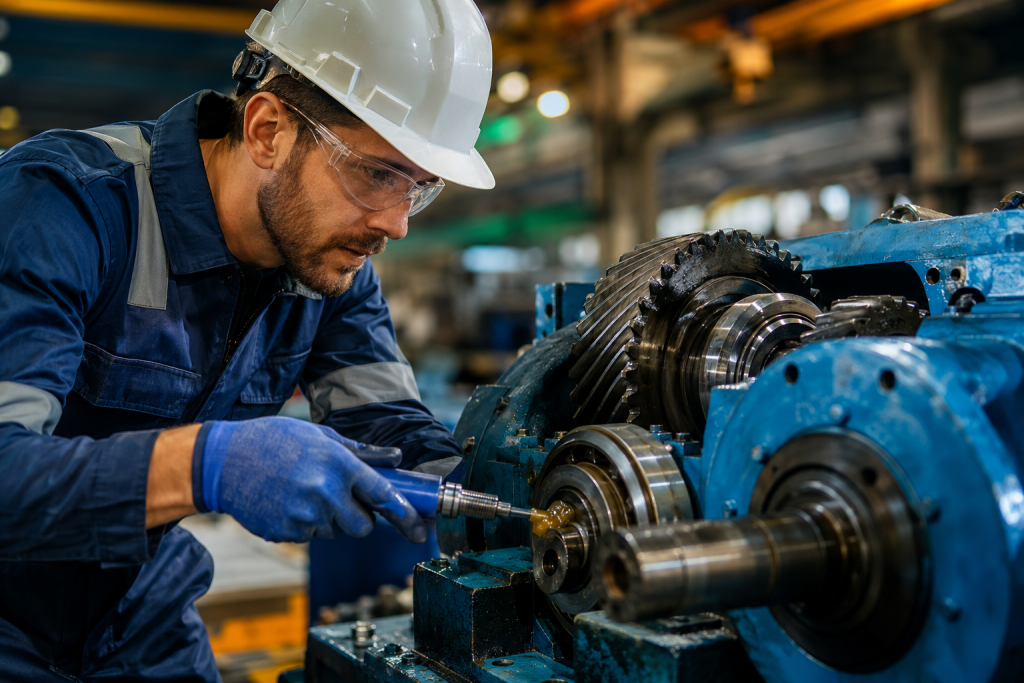
Lubrication is the most critical factor in mechanical performance.
Functions of Industrial Lubricants
Industrial lubricants serve multiple roles:
- Reduce friction between moving components
- Control heat generation
- Prevent surface abrasion
- Improve mechanical efficiency
- Reduce energy consumption
Grease vs Oil Systems
Industrial lubrication is generally divided into two categories:
Grease Systems
- Thick consistency
- Long-lasting adhesion
- Ideal for bearings and joints
- Resistant to water washout
Oil Systems
- Better heat dissipation
- Suitable for high-speed machinery
- Used in engines and hydraulic systems
- Continuous circulation systems
FOVAC Lubricant Engineering Characteristics
FOVAC lubricants are engineered using:
- High-performance base oils
- Extreme pressure (EP) additives
- Anti-wear chemical compounds
- Oxidation inhibitors
- Thermal stability enhancers
These features allow consistent performance under:
- Heavy load conditions
- Continuous operation cycles
- High-temperature environments
Anti-Corrosion Technology: Long-Term Metal Protection
Corrosion protection is essential for industrial durability.
How Anti-Corrosion Systems Work
Anti-corrosion chemicals create a protective film that:
- Blocks oxygen exposure
- Repels moisture
- Stabilizes metal surface chemistry
- Prevents rust formation
Industrial Applications
Anti-corrosion systems are widely used in:
- Structural steel protection
- Offshore equipment
- Machinery storage systems
- Electrical enclosures
- Transport and logistics equipment
FOVAC Anti-Corrosion Approach
FOVAC corrosion inhibitors are designed to:
- Displace moisture from metal surfaces
- Create long-lasting protective layers
- Maintain stability in high humidity environments
- Provide extended storage protection
This is especially important in tropical and coastal climates where corrosion rates are high.
Anti-Seize Compounds: Preventing Mechanical Lock Failure
One of the most critical maintenance challenges is threaded component seizure.
Why Seizing Happens
Seizing occurs due to:
- High temperature expansion
- Metal surface adhesion
- Oxidation buildup
- Lack of lubrication during assembly
Consequences of Seized Components
- Broken bolts during disassembly
- Production downtime
- Equipment damage
- Increased maintenance cost
FOVAC Anti-Seize Engineering Solution
FOVAC anti-seize compounds are formulated to:
- Reduce friction during assembly
- Prevent galling in threaded joints
- Withstand high temperature exposure
- Allow easy disassembly after long operation
These compounds are commonly used in:
- Heavy machinery assembly
- Boiler systems
- Engine components
- Industrial fasteners
Aerosol Maintenance Chemicals for Industrial Efficiency
Aerosol systems are designed for fast, precise application.
Advantages of Aerosol Chemicals
- Easy application in hard-to-reach areas
- Reduced contamination risk
- Faster maintenance execution
- Portable field usage
Common Industrial Aerosol Types
- Penetrating oils for rusted parts
- Anti-rust sprays for surface protection
- Silicone lubricants for smooth operation
- Cleaning agents for electrical systems
- Dry film lubricants for extreme conditions
Industrial Cleaning and Degreasing Systems
Cleaning chemicals are essential for equipment performance.
Purpose of Industrial Cleaners
- Remove oil and grease buildup
- Eliminate carbon deposits
- Restore surface cleanliness
- Improve mechanical efficiency
FOVAC Cleaning Solutions
FOVAC cleaning systems are designed for:
- Electrical components
- Mechanical assemblies
- Industrial machinery
- Precision equipment
They ensure that lubrication and protection systems work effectively on clean surfaces.
Additive Technology for Performance Enhancement
Additives are chemical enhancers used to improve base lubricant performance.
Functions of Additives
- Improve viscosity stability
- Reduce oxidation
- Enhance wear resistance
- Extend lubricant lifespan
- Improve load-bearing capacity
Industrial Importance
Additives are critical in:
- Hydraulic systems
- Gear systems
- Engine lubrication
- Compressor systems
They allow existing lubricants to perform at a higher level without full replacement.
Key Industrial Applications Across Sectors
Manufacturing Industry
- Conveyor systems
- CNC machinery
- Production line equipment
Automotive Sector
- Engine systems
- Suspension components
- Assembly maintenance
Marine and Offshore
- Saltwater corrosion protection
- Heavy-duty lubrication systems
- Deck machinery
Oil and Gas Industry
- Pipeline joints
- Drilling equipment
- High-pressure valves
Electrical and Precision Engineering
- Anti-static protection
- Contact cleaning systems
- Micro-lubrication applications
Maintenance Strategy: Preventive, Corrective, Predictive
Industrial chemical systems support three maintenance models:
Preventive Maintenance
- Scheduled lubrication
- Anti-corrosion coating application
- Routine inspections
Corrective Maintenance
- Rust removal
- Seized component treatment
- Emergency repairs
Predictive Maintenance
- Wear monitoring
- Lubricant condition analysis
- Performance tracking
Environmental and Operational Benefits
Modern industrial chemical systems must also improve sustainability.
FOVAC-based systems help:
- Reduce equipment replacement frequency
- Lower maintenance waste
- Extend service intervals
- Improve energy efficiency
This results in:
- Lower operational cost
- Higher uptime
- Improved production stability
Frequently Asked Questions (FAQ)
1. What is industrial anti-corrosion protection used for?
It is used to protect metal surfaces from rust, moisture, and chemical damage.
2. How do anti-seize compounds work?
They prevent metal parts from bonding under heat and pressure, allowing easy disassembly.
3. Why is lubrication important in machinery?
Lubrication reduces friction, heat, and wear between moving parts.
4. What industries rely on industrial lubricants?
Manufacturing, automotive, marine, oil and gas, and heavy engineering sectors.
5. What is the difference between grease and oil lubrication?
Grease stays in place for long-term protection, while oil circulates for cooling and high-speed systems.
6. Can corrosion be fully prevented?
It can be significantly reduced using protective coatings and proper maintenance systems.
7. Why are additives used in lubricants?
They improve performance, extend lifespan, and enhance resistance to heat and wear.
Conclusion: Engineering Reliability Through Chemical Protection Systems
Industrial productivity depends on the reliability of mechanical systems. Without proper lubrication, corrosion protection, and anti-seize technology, machinery efficiency declines rapidly.
Advanced industrial chemical systems like those in the FOVAC ecosystem provide a complete solution for:
- Reducing mechanical wear
- Preventing corrosion damage
- Ensuring smooth assembly and disassembly
- Increasing machine lifespan
- Reducing operational downtime
By integrating these solutions into maintenance strategies, industries can achieve higher efficiency, lower cost, and stronger long-term reliability.