
Deionised Lubricant Malaysia: Applications, Benefits & Suppliers in KL & Selangor

What is Deionised Lubricant and Why is it Important in Malaysia?
Deionised lubricants are high‑purity, water‑based lubricants that use ion‑exchange to strip dissolved salts and minerals, preventing mineral deposits, corrosion and wear in Malaysia’s humid tropical climate, which improves equipment reliability, extends service life and supports compliance with local occupational safety standards.
Deionised lubricants are high-purity lubricants formulated with deionised water or water-based solutions that remove dissolved salts and minerals. In Malaysia’s humid tropical climate and industrial environment, deionised lubricants prevent mineral buildup, corrosion, and equipment wear, ensuring optimal performance in manufacturing, automotive, and precision machinery applications.
Key Industrial Applications of Deionised Lubricants in Malaysia
Deionised lubricants are used in Malaysia for precision metalworking to reduce CNC contamination, electronics manufacturing to prevent ionic damage, HVAC systems to maintain heat‑exchanger efficiency in high humidity, food processing to meet safety regulations, and marine applications to protect against saltwater corrosion.
- Precision Metalworking: Reduces contamination in CNC machines and automotive components.
- Electronics Manufacturing: Prevents ionic contamination in semiconductor processes.
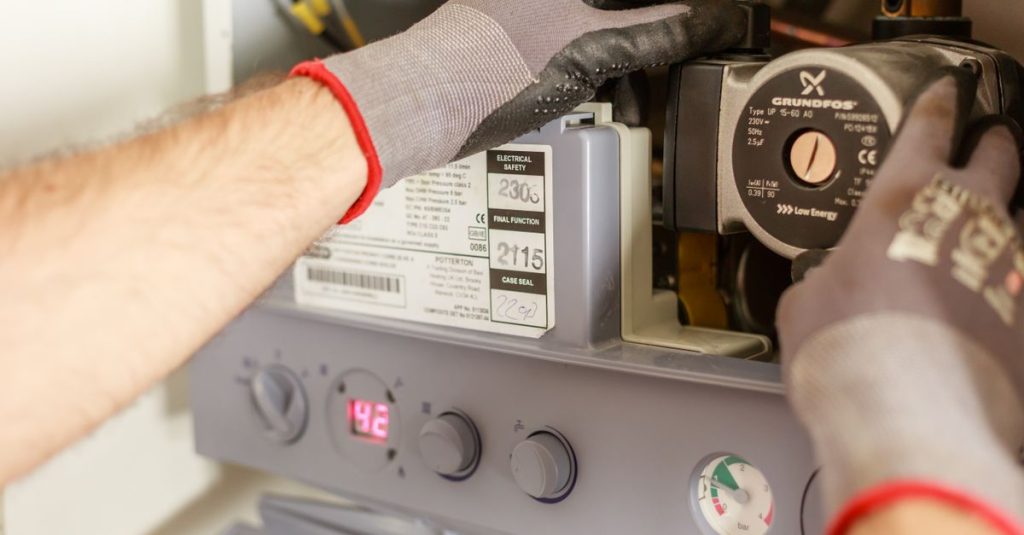
- HVAC Systems: Maintains heat exchanger efficiency in high‑humidity conditions.
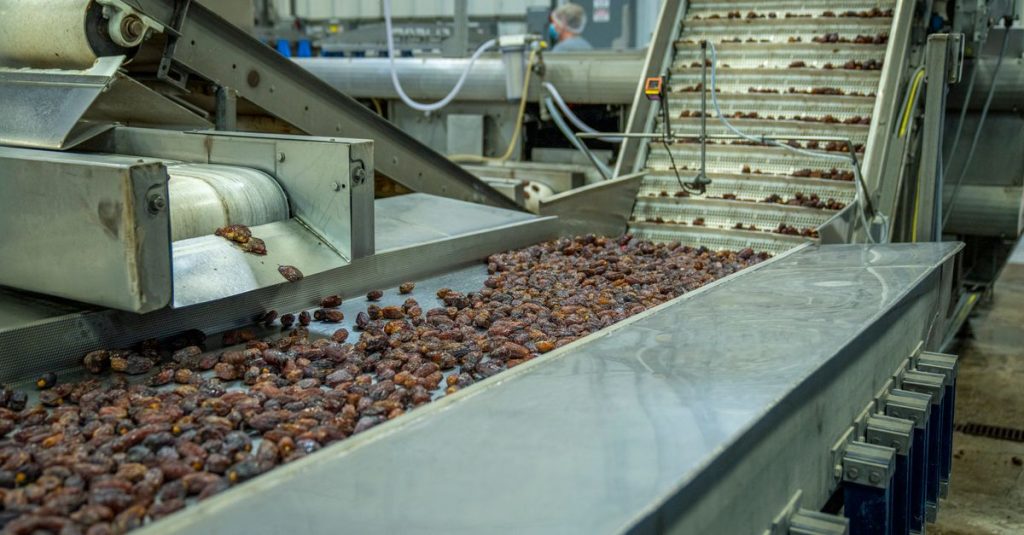
- Food Processing: Meets Malaysia’s food safety compliance standards.
- Marine Industry: Protects ship machinery from saltwater corrosion.
Technical Benefits of Deionised Lubricants for Malaysian Industries
The key technical benefits are superior corrosion resistance from ion removal, improved heat dissipation thanks to stable thermal performance in warm climates, longer equipment lifespan reducing maintenance expenses, and compliance with Malaysia’s Occupational Safety and Health Department standards.
- Enhanced corrosion resistance eliminates conductive ions that cause electrochemical degradation.
- Superior thermal stability ensures consistent heat dissipation in warm tropical conditions.
- Longer equipment lifespan lowers maintenance costs and downtime.
- Compliance with OSH regulations for industrial lubricants ensures workplace safety.
Top Suppliers of Deionised Lubricants in Kuala Lumpur & Selangor
Leading providers in KL and Selangor include Ferrovic Group, which offers custom deionised lubricant formulations through its water‑treatment chemicals division, and several local distributors that supply high‑purity products meeting ISO 15380 HEES standards for industrial use.
What does Ferrovic Group offer for deionised lubricants in KL and Selangor?
Ferrovic Group provides customised deionised lubricant formulations, water‑treatment chemicals, and technical support for industrial sectors in KL and Selangor, adhering to ISO 15380 HEES standards and offering on‑site consultation.
How to Select Quality Deionised Lubricants in Malaysia
To choose quality deionised lubricants, verify purity certifications with conductivity below 1 μS/cm, confirm industry‑specific approvals such as food‑grade or pharmaceutical compliance, ensure the supplier has local technical support in KL or Selangor, validate temperature performance across Malaysian climate extremes, and review safety data sheets for GHS‑compliant hazard classifications.
- Verify purity certifications: check conductivity <1 μS/cm test reports.
- Confirm industry compliance: ensure approvals for food‑grade, pharmaceutical, or other specific uses.
- Request local service support: prefer suppliers with KL/Selangor‑based technical teams.
- Compare temperature performance: validate suitability for Malaysian climate extremes.
- Review safety data sheets: confirm GHS‑compliant hazard classifications.
Environmental Impact and Sustainability of Deionised Lubricants in Malaysia
Deionised lubricants promote sustainability by enabling water‑conserving closed‑loop recycling that can cut consumption by up to 70%, using biodegradable formulations that meet SEPRA Green Manufacturing standards, reducing waste through longer equipment life, and lowering carbon emissions via local KL supplier logistics.
- Closed‑loop water recycling reduces consumption up to 70%.
- Biodegradable formulations meet SEPRA Green Manufacturing standards.
- Longer equipment lifespan decreases industrial waste generation.
- Local supplier logistics reduce transportation‑related carbon emissions.
Maintenance Best Practices for Deionised Lubricant Systems
Effective maintenance includes monthly conductivity testing, replacing deionisation resin cartridges every 6‑12 months, installing ion‑selective electrodes for continuous monitoring, storing lubricants in UV‑protected containers to inhibit bacterial growth, and maintaining strong ties with local suppliers for swift technical support and consistent performance.
- Regularly test conductivity monthly, replace deionisation resin cartridges every 6‑12 months, install ion‑selective electrodes for continuous monitoring, store lubricants in UV‑protected containers to inhibit bacterial growth, and maintain strong ties with local suppliers for swift technical support and consistent performance.
Frequently Asked Questions (FAQs)
What is the difference between deionised and distilled water for lubricants?
Deionised water eliminates ionic contaminants through ion‑exchange resins, achieving purity of ≥99.9% and conductivity below 1 μS/cm, whereas distilled water removes impurities by boiling and condensation but may retain trace minerals; this higher level of impurity removal makes deionised water essential for precision Malaysian manufacturing such as semiconductors and CNC machining.
How often should Malaysian industries replace deionised lubricant systems?
Industries should replace deionised lubricant system resin cartridges every 6‑12 months depending on usage intensity, and conduct monthly conductivity tests; higher production volumes may require more frequent cartridge changes to maintain purity levels below 1 ppm total dissolved solids, ensuring reliable equipment operation.
Are deionised lubricants safe for food processing in Malaysia?
Yes, certified food‑grade deionised lubricants comply with Malaysia’s Food Act 1983 when supplied with a compliance certificate, are non‑toxic, free of harmful residues, approved for direct contact with food‑contact surfaces, and meet the stringent hygiene standards required by the Ministry of Health.
What industries in Kuala Lumpur most require deionised lubricants?
Electronics manufacturing, precision machining, and HVAC system maintenance in Kuala Lumpur’s industrial zones such as Pilot Industrial Park and Shah Alam have the highest demand for deionised lubricants due to their need for contaminant‑free environments and efficient heat transfer.