
Viscosity Starvation in Industrial Machinery: Causes, Effects & Prevention Strategies

Viscosity Starvation in Industrial Machinery: Causes, Effects & Prevention Strategies
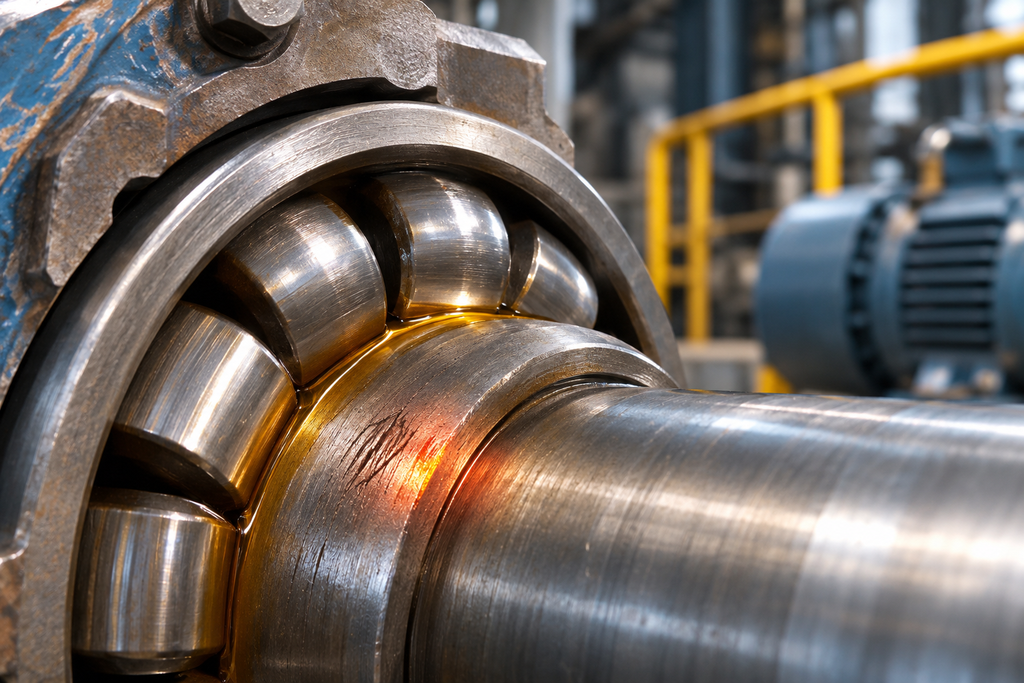
Industrial machinery depends on an effective lubricating oil film to protect moving surfaces against friction, mechanical wear and premature failure. One of the most overlooked lubrication problems is viscosity starvation, a condition where the lubricant becomes too thin to maintain adequate protective film thickness between working surfaces.
While excessive lubricant viscosity can increase energy consumption, generate unnecessary heat and restrict oil flow, insufficient viscosity creates an equally serious reliability risk. When the oil film becomes too thin, metal-to-metal contact can occur, accelerating wear in bearings, gears, pumps and other critical machine components.
Understanding the causes, consequences and warning signs of viscosity starvation is essential for maintenance engineers and industrial operators seeking to improve equipment reliability and extend machinery service life.
What Is Viscosity Starvation in Industrial Machinery?
Viscosity starvation occurs when a lubricant’s viscosity is insufficient to maintain the required load-bearing oil film between two surfaces in relative motion.
Lubricant viscosity determines the resistance of oil to flow and plays a critical role in establishing the working clearance between machine components. This clearance helps separate moving surfaces and reduces friction, abrasion and mechanical wear.
When viscosity falls below the level required by the operating conditions, the protective oil film becomes thinner. Under severe conditions, the film may collapse, allowing direct surface contact and accelerating component deterioration.
It is important to distinguish viscosity starvation from lubricant starvation. Lubricant starvation occurs when a machine receives an inadequate supply of oil or grease. Viscosity starvation is different: the lubricant supply may be sufficient, but the oil itself lacks the viscosity required to provide adequate protection. Understanding these conditions requires a solid foundation in tribology and lubrication fundamentals, including friction, wear, lubricant properties and protective film formation.
What Causes Viscosity Starvation in Machinery?
Several operating and contamination-related factors can reduce lubricant viscosity and compromise the protective oil film. These conditions may develop gradually or occur suddenly during demanding operating conditions.
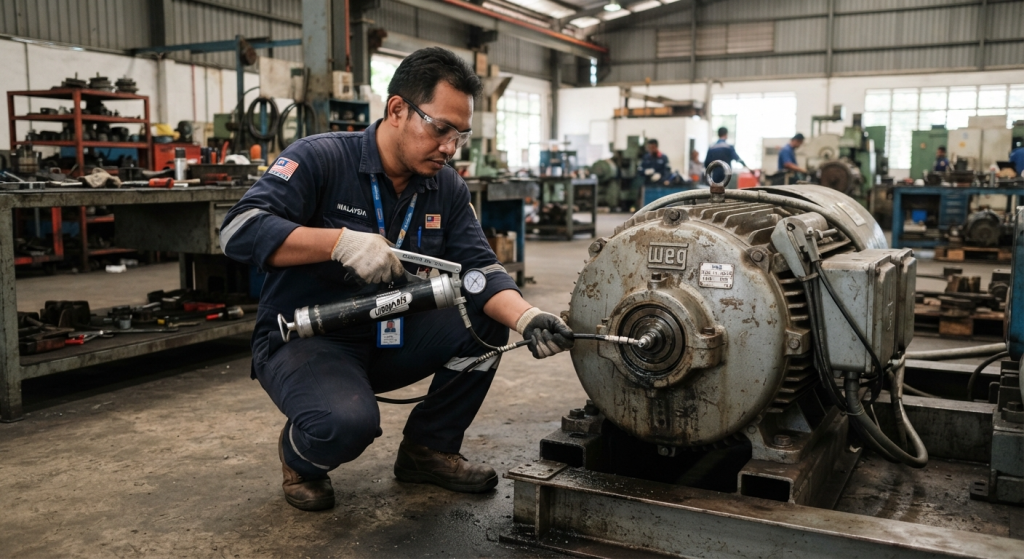
Proper lubrication is essential for reducing friction, controlling operating temperatures and protecting critical machine components. Understanding the role of industrial lubricants and lubrication systems helps maintenance engineers identify why inadequate lubricant viscosity can compromise equipment reliability and accelerate mechanical wear.
1. Excessive Operating Temperatures
Temperature is one of the most important factors affecting lubricant viscosity. As oil temperature increases, its viscosity generally decreases.
High ambient temperatures, insufficient cooling, low coolant levels and localized machine hot spots can cause lubricant viscosity to fall below the required operating level.
In extreme cases, localized overheating can also damage or crack oil molecules, resulting in permanent viscosity loss and reduced lubricant performance.
2. Fuel Dilution and Chemical Contamination
Contamination can significantly alter lubricant properties. Fuel dilution in engines and chemical contamination from solvents, refrigerants and natural gas can cause a sudden reduction in oil viscosity.
Water contamination can also affect certain lubricants. Natural and synthetic ester-based oils are particularly susceptible to hydrolysis, a chemical reaction in which water breaks down ester molecules and reduces lubricant viscosity.
Regular oil analysis is important for identifying contamination before it causes significant equipment damage.
3. Mechanical Shearing of Viscosity Index Improvers
Some lubricants contain viscosity index improvers (VII), which help maintain more consistent viscosity across changing temperatures.
These additives consist of large polymer molecules that expand at higher temperatures. However, mechanical shearing in high-friction areas can rupture these molecules and reduce their effectiveness.
Components such as cam and follower contacts, hydraulic pumps, swashplate and slipper contacts, and rolling-element bearings can expose lubricants to mechanical shearing. Over time, this process can contribute to viscosity loss.
4. Heavy Loads and Low Operating Speeds
Machine speed and load directly influence the lubricant viscosity required to maintain an adequate protective film.
High loads increase the demand for load-bearing protection, while low speeds can make it difficult to generate sufficient hydrodynamic lubrication films.
Frequent starts, stops, coast-downs and reverse-direction movements are particularly challenging because the protective oil film may not be fully established during these operating conditions.
5. Incorrect Lubricant Selection
Using a lubricant with an unsuitable viscosity grade can compromise machinery protection.
A lubricant selected for normal operating conditions may not provide sufficient film thickness when equipment operates under higher temperatures, heavier loads or different duty cycles than originally anticipated.
Lubricant selection should therefore consider actual operating conditions rather than relying exclusively on standard equipment specifications.
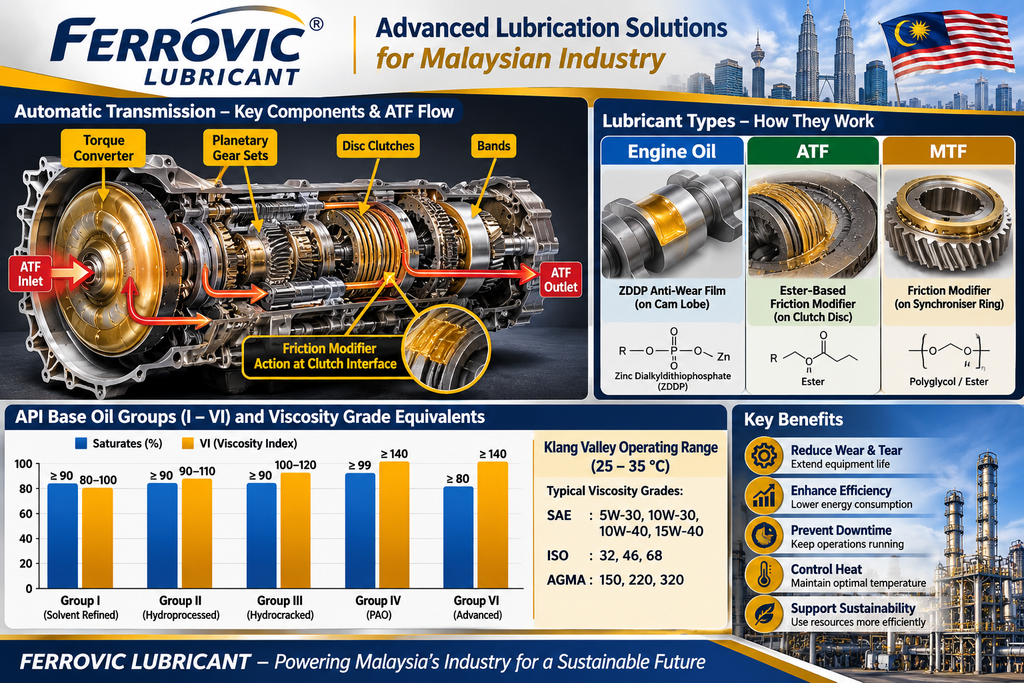
Viscosity index (VI) is another important consideration when selecting industrial lubricants, as it indicates how much a lubricant’s viscosity changes with temperature. A suitable viscosity index helps maintain more consistent lubrication performance across varying operating temperatures. For a deeper technical understanding, refer to this industry resource on the importance of viscosity index in lubricant selection, published by Machinery Lubrication.
What Are the Consequences of Inadequate Lubricant Viscosity?
When lubricant viscosity falls below the required level, machinery can experience several interconnected reliability problems. These issues can increase maintenance costs, reduce operating efficiency and, in severe cases, lead to catastrophic component failure.
1. Accelerated Mechanical Wear
Insufficient viscosity reduces the protective separation between moving surfaces, increasing the likelihood of mechanical contact.
Common wear mechanisms include:
- Abrasive wear: Material removal caused by hard particles or surface interaction.
- Adhesive wear: Material transfer and surface damage caused by direct contact under load.
- Surface fatigue: Repeated contact stresses that can produce micropitting and surface deterioration.
- Delamination wear: Separation of surface material layers under repeated mechanical stress.
These wear mechanisms can progressively damage bearings, gears, shafts and other critical components.
2. The Thermal Circle of Despair
Low viscosity can initiate a damaging cycle involving friction, heat and further viscosity loss.
As the oil film becomes thinner, friction and mechanical wear increase. This generates additional heat, which further reduces lubricant viscosity and weakens the protective oil film.
This continuous process is known as the thermal circle of despair. Without corrective action, it can accelerate equipment deterioration and shorten lubricant service life.
3. Shortened Lubricant Service Life
Excessive friction and heat can accelerate lubricant degradation through several mechanisms:
- Antioxidant additives become depleted more rapidly due to elevated temperatures.
- Viscosity index improvers can rupture under mechanical shearing.
- Anti-wear and extreme-pressure additives may be consumed more rapidly under severe frictional conditions.
These processes can reduce lubricant effectiveness and increase the frequency of oil replacement.
4. Increased Oil Leakage
Low lubricant viscosity can increase leakage rates, including both external leakage and internal leakage.
External leakage results in lubricant loss, while internal leakage can reduce hydraulic system performance, affecting operating speed, control and energy consumption.
5. Higher Oil Consumption and Environmental Impact
In internal combustion engines, low crankcase oil viscosity can increase lubricant consumption.
Oil entering the exhaust path contributes to hydrocarbon emissions, increasing operating costs and creating additional environmental concerns.
How to Recognize Viscosity-starved Machinery
Detecting viscosity starvation early can help maintenance teams prevent unnecessary equipment damage and unplanned downtime.
Several condition-monitoring techniques can help identify developing lubrication problems.
1. Oil Analysis
Regular oil analysis is one of the most effective methods for monitoring lubricant condition.
Testing should consider:
- Oil viscosity and viscosity index.
- Fuel, water and particle contamination.
- Oxidation stability.
- Thermal stability.
- Wear metal concentration.
Oil analysis can help identify both the root causes of viscosity loss and the resulting effects on machinery.
2. Unusual Machine Sounds
Bearings, pumps and gears can produce noticeable changes in operating sounds when lubrication or viscosity becomes inadequate.
Unusual noise, increased vibration and abnormal mechanical sounds should be investigated as potential warning signs of lubrication-related problems.
3. Heat Monitoring
Infrared thermometers and thermal imaging cameras can help identify localized hot spots and unusually high operating temperatures.
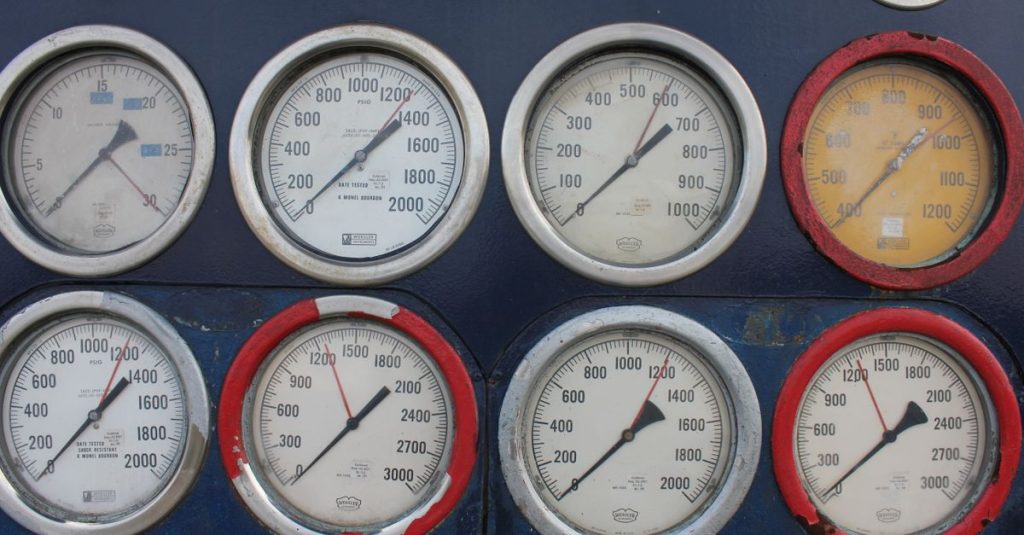
Where available, resistance temperature detectors (RTDs) and temperature gauges can provide additional information about oil, coolant and bearing temperatures.
4. Changes in Oil Level
Sudden changes in lubricant levels may indicate contamination from fuel, process chemicals or water.
These changes can sometimes be observed through oil level gauges and sight glasses. Further oil analysis is necessary to determine the underlying cause.
5. Inspection of Frictional Surfaces
Periodic inspection of cylinder walls, journal bearings, gear teeth and cam surfaces can help identify abnormal wear associated with inadequate lubricant viscosity.
Sudden increases in leakage across multiple points may also indicate changes in lubricant viscosity.
How to Prevent Viscosity Starvation in Industrial Machinery
Preventing viscosity starvation requires a combination of correct lubricant selection, operating-condition monitoring, contamination control and effective maintenance practices.
The following strategies can help reduce viscosity-related reliability risks.
| Risk Factor | Recommended Prevention Strategy |
|---|---|
| High operating temperatures, low coolant levels and machine hot spots | Monitor temperatures regularly, identify the root cause and consider lubricants with a high viscosity index where appropriate. |
| Heavy loads and low operating speeds | Select lubricant viscosity according to actual machine loads and operating speeds. |
| Frequent starts, stops and shock loading | Use lubricants with suitable film-strength additives to protect against abrasion, adhesion and galling. |
| Mechanical imbalance and misalignment | Monitor equipment alignment and balance. Consider suitable anti-wear and friction-modifying additives. |
| Fuel dilution and chemical contamination | Conduct regular oil analysis to identify contamination and determine appropriate corrective action. |
| Water contamination and ester hydrolysis | Implement effective water-ingress prevention and monitor lubricant condition through oil analysis. |
| Viscosity index improver shearing | Consider lubricants formulated to resist excessive viscosity loss under mechanical shearing. |
| Dirt and particle contamination | Improve contamination control, use effective filtration and monitor lubricant particle levels. |
Why Correct Lubricant Viscosity Selection Matters
Choosing the correct lubricant viscosity is not simply a matter of selecting the thickest available oil. Excessive viscosity can increase churning losses, generate unnecessary heat and restrict lubricant movement to critical machine surfaces.
Conversely, insufficient viscosity can result in inadequate oil film thickness, increased friction and accelerated mechanical wear.
Lubrication engineers should consider several important operating parameters:
- Operating speed and mechanical load.
- Minimum and maximum operating temperatures.
- Lubricant viscosity index.
- Shock loading and transient operating conditions.
- Contamination exposure and environmental conditions.
- Equipment reliability requirements and maintenance costs.
For machines operating under demanding conditions, lubricant selection should be supported by actual operating data and an appropriate condition-monitoring programme.
Frequently Asked Questions (FAQs)
What is viscosity starvation in lubrication?
Viscosity starvation occurs when lubricant viscosity is too low to maintain the required protective oil film between moving machine surfaces. This can increase friction, mechanical wear and the risk of premature equipment failure.
What causes lubricant viscosity to decrease?
Common causes include excessive operating temperatures, fuel dilution, chemical contamination, water contamination and mechanical shearing of viscosity index improver additives.
How does low oil viscosity affect bearings?
Low oil viscosity can reduce the protective film thickness between bearing surfaces. This increases the risk of metal-to-metal contact, friction, heat generation, abrasive wear and surface fatigue.
Can high temperatures cause viscosity starvation?
Yes. Increasing oil temperature generally reduces lubricant viscosity. If the temperature becomes excessive, the oil film may become too thin to provide adequate protection under the machine’s operating load.
How can I detect viscosity starvation early?
Regular oil analysis, temperature monitoring, vibration and noise monitoring, oil level inspections and periodic examination of frictional surfaces can help identify early warning signs.
What is the difference between lubricant starvation and viscosity starvation?
Lubricant starvation occurs when a machine or component does not receive enough oil or grease. Viscosity starvation occurs when the lubricant supply may be sufficient, but its viscosity is too low to maintain adequate load-bearing protection.
How can industrial machinery prevent viscosity-related wear?
Use the correct lubricant viscosity for the actual operating conditions, control operating temperatures, prevent contamination, monitor oil condition and implement a preventive maintenance programme.
Conclusion: Protect Your Machinery with Proper Lubrication Management
Viscosity starvation is a significant lubrication-related reliability risk that can gradually damage industrial machinery or contribute to sudden component failure.
Maintaining the correct lubricant viscosity is essential for establishing an adequate protective oil film, reducing friction and minimizing mechanical wear. However, viscosity selection must always be balanced against operating temperature, machine speed, load and lubricant flow requirements.
Through proper lubricant selection, regular oil analysis, temperature monitoring and effective contamination control, industrial operators can reduce viscosity-related failures, improve equipment reliability and extend machinery service life.
Understanding the difference between lubricant starvation and viscosity starvation is an important step towards building a more effective industrial lubrication and condition-monitoring programme.