

NSF Approved Grease in Malaysia: Certification, Uses & KL Suppliers

NSF Approved Grease in Malaysia: Certification, Uses & KL Suppliers
What Does NSF Approved Mean for Grease in Malaysia?
NSF approval certifies that grease complies with public health safety standards for food-contact environments, ensuring regulatory compliance for Malaysian industrial and food-processing facilities. It establishes a trusted framework for maintaining hygiene, passing audits, and minimizing contamination risks in regulated production areas.
In Kuala Lumpur and Selangor, food-processing, pharmaceutical, and manufacturing facilities use NSF-approved greases to meet local hygiene regulations. This alignment with international standards ensures operational compliance and audit readiness.
Key NSF Grease Classifications & Food-Safe Lubricant Categories
NSF International classifies grease into H1, H2, H3, and HF-DR categories based on permissible incidental food-contact levels, guiding Malaysian facilities in selecting compliant lubricants for specific processing environments. H1 permits up to 10 parts per million contamination in food zones, while H2 and H3 serve non-food or release-agent roles, and HF-DR provides emergency lubrication documentation.
These classifications help plant engineers and maintenance teams in Kuala Lumpur and Selangor match lubricant specifications to equipment food-contact risks. This ensures regulatory compliance and reduces unplanned downtime during facility audits.
What Are NSF H1, H2, H3, and HF-DR Grease Classifications?
NSF H1 grease permits incidental food-contact up to 10 parts per million in processing environments, H2 formulations contain no food-safe additives for non-zone machinery, H3 products act as release agents or corrosion inhibitors, and HF-DR greases deliver documented emergency lubrication for regulated facilities.
Selecting the correct classification depends on equipment location, potential food exposure, and Malaysia’s food safety audit criteria.
What Are the Temperature & Application Limits for NSF Grease?
NSF-approved greases operate between -20°C and 180°C depending on thickener base and additives, with polyurea thickeners suiting bearings and calcium sulfonate resisting water in tropical climates like Selangor. Match temperature, load, and NSF category to equipment OEM specs and production conditions.
Facilities in Selangor’s humid climate should prioritize calcium sulfonate or complex thickeners to maintain lubricant integrity against moisture ingress. Boreal operations may rely on polyurea for high-temperature bearing protection.
NSF Approved Grease Applications in Kuala Lumpur & Selangor Industries
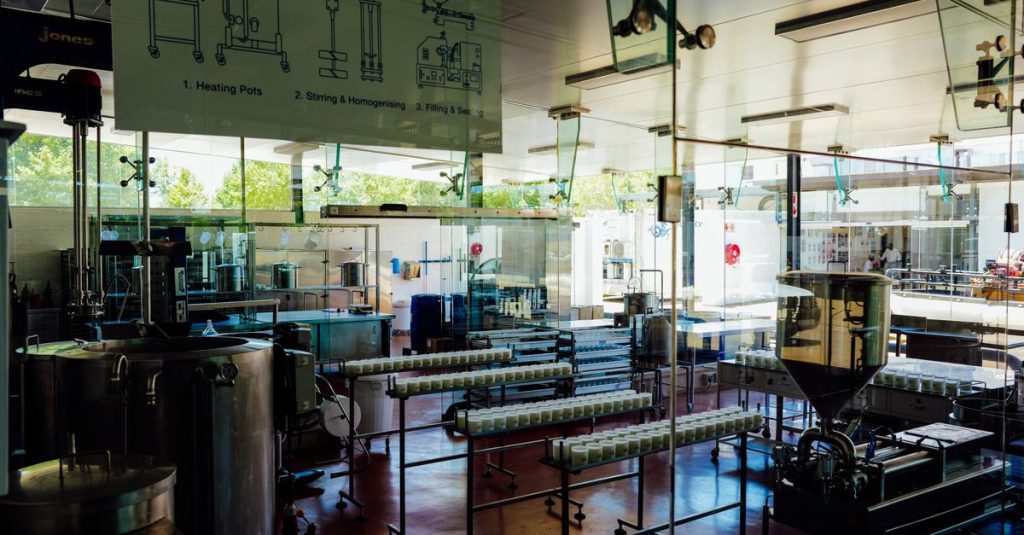
NSF-approved grease is mandatory in Kuala Lumpur and Selangor’s food-processing, beverage, and pharmaceutical sectors for mixers, extruders, conveyor belts, and filling machine bearings, aligning with international standards for audit compliance. Using H1 grades in direct-food zones prevents contamination fines, while H2 grades protect non-food machinery, ensuring operational continuity and regulatory safety.
Local regulations in Malaysia require documented lubricant choices for all production machinery. Audit trails must verify NSF category compliance for each equipment group to prevent shutdowns or penalties.
How to Select NSF Grease for Specific Machinery?
Match the NSF classification to equipment food-contact risk by evaluating base oil viscosity, thickener compatibility, temperature range, and operational OEM specifications to select H1 for mixers, slicers, and packaging lines, or H2 for gears, motors, and non-food conveyors in Malaysian facilities.
Engineers should cross-reference manufacturer guidelines with facility-specific conditions such as wash-down frequency, heat exposure, and contamination potential to finalize lubricant selection for each machine group. This systematic approach supports long-term equipment reliability and audit compliance.
How to Choose the Right NSF Certified Grease for Your Operation
Begin by identifying your process’s NSF category requirement based on potential food-contact scenarios, then verify the grease’s thickener type, base oil viscosity, and additive package against OEM recommendations and Malaysia’s tropical climate conditions, ensuring the formulation meets load, temperature, and water-spray resistance demands.
Purchase from certified distributors providing lot-number traceability and current NSF certification listings to guarantee ongoing compliance for KL and Selangor facilities during regulator inspections. This practice supports audit readiness and reduces liability in food-processing environments.
Step-by-Step: Proper Application & Maintenance of NSF Grease
Proper NSF grease application requires cleaning grease points thoroughly, applying the correct amount per OEM specifications to avoid dust attraction, using dedicated tools to prevent cross-contamination between H1 and H2 categories, and recording application dates, quantities, and lot numbers in maintenance logs for audit compliance.
- Clean grease points thoroughly, removing old lubricant and contaminants.
- Apply the correct amount per OEM specifications, avoiding over-lubrication that attracts dust.
- Use dedicated application tools to prevent cross-contamination between NSF categories.
- Record application dates, quantities, and lot numbers in your maintenance log.
- Re-lubricate according to the manufacturer’s interval, adjusting for load, speed, and environmental factors in Malaysia’s tropical climate.
Frequently Asked Questions About NSF Approved Grease
- Q: What does NSF H1 grease mean for food processing?
- A: NSF H1 grease is certified for incidental food contact up to 10 parts per million, making it safe for machinery in direct food zones. It reduces contamination risk in facilities where lubricant exposure to products is possible.
- Q: Can NSF H2 grease be used near food areas?
- A: NSF H2 grease is formulated for non-food zones and contains no food-safe additives. It should not be used on equipment with potential food contact without strict separation protocols.
- Q: What temperature range do NSF-approved greases support?
- A: NSF-certified greases typically operate between -20°C and 180°C, depending on the thickener base and additive chemistry. Select a formulation matching your equipment’s operating temperature and load demands.
- Q: Why is NSF certification important for Kuala Lumpur factories?
- A: NSF certification ensures grease meets international public health standards, which Malaysia’s food safety regulations align with. It provides documented proof for audits and reduces liability in pharmaceutical and food-processing environments.
- Q: How often should NSF grease be re-applied in tropical climates?
- A: Re-lubrication intervals depend on equipment load, speed, and exposure to moisture. In Malaysia’s humid climate, typically every 3,000 to 5,000 operating hours, but always consult the OEM and manufacturer’s SDS for your specific NSF grease.
- Q: Where to buy NSF-approved grease in Selangor?
- A: Authorized distributors and industrial suppliers in Selangor stock NSF-certified grease. Verify certification lot numbers and request current NSF listing sheets to ensure product authenticity and compliance.