

Halal Grease & Food-Safe Lubricants in Kuala Lumpur & Selangor Malaysia

What is Halal Grease and Why It Matters in Food Processing?
Halal grease is a food-grade lubricant free from pork derivatives, alcohol, and haram substances, certified by JAKIM or recognized bodies. It ensures compliance with NSF H1 and FDA 21 CFR 178.3570 standards, preventing contamination in food-contact equipment.
How Does Halal Grease Differ From Conventional Lubricants?
Halal grease excludes animal fats and alcohol-based additives, using synthetic or vegetable-based stocks. This ensures religious and technical compliance, avoiding production halts during audits while maintaining equipment performance.
Halal Certification Standards for Lubricants in Malaysia
Malaysia mandates JAKIM accreditation for halal lubricants, requiring documentation of ingredient sourcing, manufacturing segregation, and compliance with NSF H1 or FDA standards. Uncertified lubricants risk fines or loss of halal status.
What Parameters Determine Halal Status?
Three key factors: base-stock origin (no pork/alcohol), additive compliance (synthetic/vegetable), and manufacturing isolation. Each must be verified by JAKIM auditors.
Which Malaysian Bodies Issue Halal Certificates?
JAKIM is the primary authority, but state Islamic councils and MOH-registered certifiers also issue halal endorsements. Approval requires ingredient declarations, factory audits, and lab testing.
Primary Applications in Kuala Lumpur & Selangor
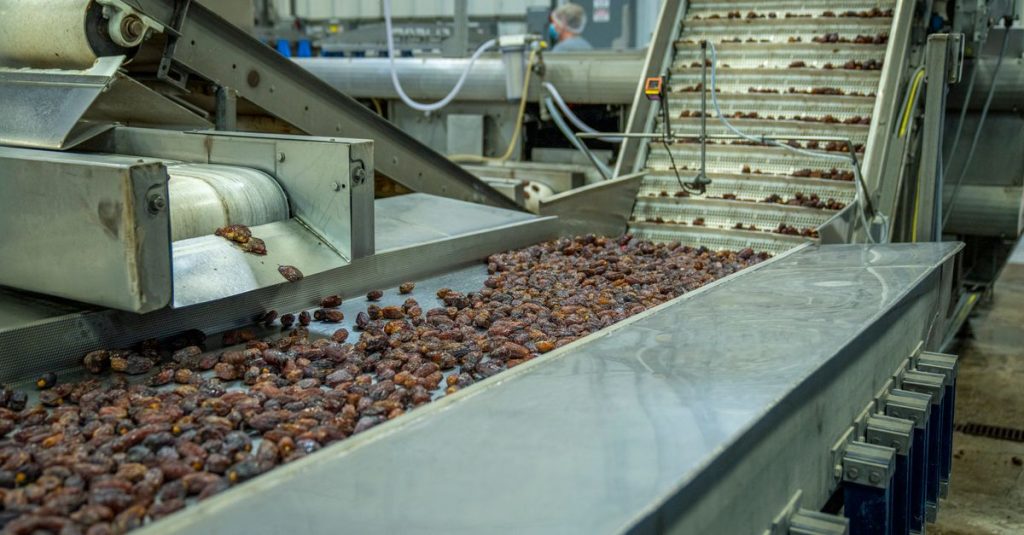
Halal grease is used in mixers, conveyors, and packaging machinery. In bakery, meat, and dairy plants, it prevents cross-contamination while meeting NSF H1 toxicity limits during audits.
Use-Cases in Bakery, Meat, and Dairy
Bakeries use it in ovens and mixers; meat plants apply it to grinders; dairy facilities use it in pasteurizers. Seafood and meal production lines also require JAKIM-verified grease to prevent contamination.
Selecting the Right Halal Grease
Match NLGI grade, base-stock chemistry (synthetic/POE/vegetable), and equipment material (Nitrile/Viton/EPDM). Verify JAKIM certification, NSF H1 registration, and technical data sheets for temperature and compatibility.
Key Differences From Standard Food-Safe Lubricants
Halal grease prohibits pork-derived additives and alcohol, unlike standard NSF H1 products. JAKIM certification adds an audit trail and re-certification requirements, essential for export to Muslim-majority markets.
Frequently Asked Questions
Is halal grease more expensive?
A: Yes, typically 10–15% higher due to certification costs, but offsets regulatory risks in export markets.
How to verify halal status?
A: Check for JAKIM logo on labels, request a valid certificate with batch number, and cross-reference issuer on JAKIM’s registry.
Does it affect equipment performance?
A: When NSF H1-compliant, halal grease matches standard lubricants in viscosity and durability. Differences are negligible with correct formulation.
Can non-halal grease be used temporarily?
A: No. Non-certified grease risks halal status revocation during audits, especially in export or Muslim-majority markets.