
Automotive Lubricant Malaysia: Synthetic Engine Oil, Heavy Duty Diesel Guide

Automotive Lubricant Malaysia: Synthetic Engine Oil, Heavy Duty Diesel Guide
Commercial fleets in Malaysia lose productivity when lubrication choices do not match tropical heat, stop-start urban routes, long-haul loads, or high-duty diesel operating cycles. The right automotive lubricant malaysia partner should do more than supply oil; it should interpret engine wear signals, reduce friction losses, extend drain intervals, and protect high-value transport assets across Kuala Lumpur, Selangor, Petaling Jaya, Shah Alam, Port Klang, and nationwide logistics corridors.
Ferrovic supports fleet maintenance managers, logistics operators, automotive assembly engineers, procurement officers, workshop owners, and distribution partners with advanced fluid engineering, practical lubrication consulting, and performance-focused products for heavy-duty transport and industrial mobility applications.
Why Malaysian Fleet Operators Need Specialized Lubrication
Malaysia’s commercial transport environment combines high ambient temperatures, humid air, dusty worksites, port congestion, urban idling, and heavy payloads. These conditions accelerate oil oxidation, soot accumulation, sludge formation, deposit build-up, and viscosity breakdown. A standard lubricant may meet a basic specification, but it may not protect engines, transmissions, gearboxes, or chassis components under sustained Malaysian operating stress.
The most reliable lubrication strategy begins with three operating realities:
- Heat exposure: Engine bays, tropical roads, and long-haul duty cycles raise oil temperature and increase thermal degradation risk.
- Load pressure: Fully loaded trucks, buses, trailers, port tractors, and construction support vehicles create extreme pressure demands on gears and bearings.
- Maintenance economics: Fuel cost, downtime, unscheduled repairs, and premature component replacement directly affect fleet profitability.
For operators in the Klang Valley and other high-density transport zones, lubrication is not only a maintenance task. It is a cost-control system, a reliability tool, and a technical safeguard for asset life.
Ferrovic Product Range for Heavy Fleet and Industrial Transport
High-Performance Synthetic Engine Oils
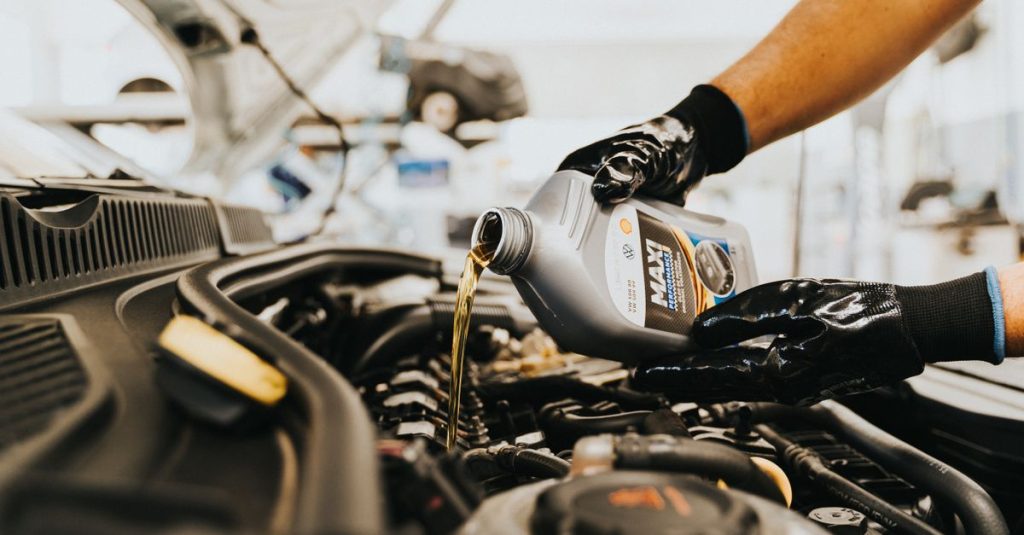
Ferrovic formulates high-performance synthetic engine oils using hydro-cracked synthetic base oils and shear-stable viscosity index improvers. These technologies help maintain film strength across wide temperature ranges while supporting fuel economy and stable oil pressure. For mixed fleets running diesel engines, passenger vehicles, service vans, and light commercial units, consistent oil quality helps reduce friction, control deposits, and protect turbocharger systems.
The FOVAC® Synthetic Engine Oil range is designed for operators that need dependable protection during long service intervals, high-temperature operation, and frequent urban driving. It supports engines exposed to stop-start traffic around Kuala Lumpur, Petaling Jaya, Shah Alam, and Selangor industrial zones.
Heavy-Duty Diesel Engine Oils
Heavy-duty diesel engines face high soot loading, combustion by-products, piston deposits, and bearing stress. Ferrovic’s FOVAC® Heavy Duty Diesel Oil is engineered with advanced anti-wear additives, detergents, dispersants, and oxidation-control chemistry to help maintain engine cleanliness and protect critical components under severe service.
For cross-border logistics fleets, plantation transport, port haulage, and regional distribution routes, heavy duty diesel engine oil performance should be evaluated by soot control, shear stability, wear protection, and drain interval consistency. A lubricant that thins too quickly under heat or shearing can increase metal-to-metal contact and reduce engine reliability.
Industrial Gear Oils and Automatic Transmission Fluids
Gearboxes, final drives, axle assemblies, and automatic transmissions require precise friction behavior and film durability. Ferrovic industrial gear oils and FOVAC® High Performance ATF are developed for equipment that operates under high-load, high-temperature, and frequent-shift conditions.
In port-handling and warehousing environments, gear systems can fail early when lubricants cannot resist thermal breakdown or extreme pressure loads. Proper gear lubrication supports smoother shifting, reduced wear, lower operating noise, and improved equipment availability.
Specialty Automotive Assembly Greases
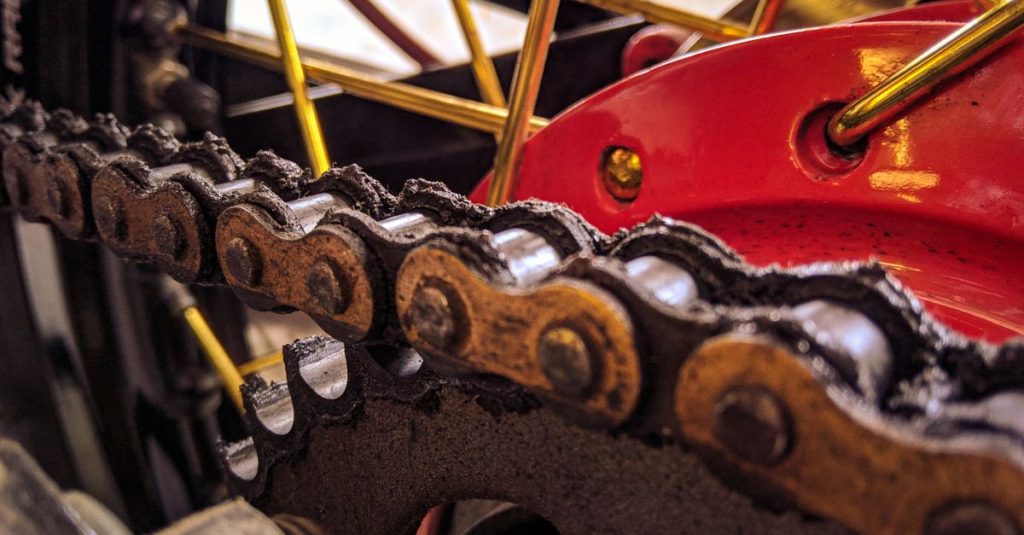
Specialty greases are critical for automotive assembly, chassis points, bearings, pins, joints, and slow-moving heavy equipment components. A high temperature automotive grease must resist softening, water washout, oxidation, and mechanical instability. Ferrovic specialty greases are selected to match load, speed, temperature, and environmental exposure.
For maintenance teams, grease selection should not be based only on NLGI grade. Engineers should also review base oil viscosity, thickener type, dropping point, EP protection, water resistance, and compatibility with existing lubricants.
Core Technical Knowledge for Better Lubrication Decisions
1. Viscosity Index and Shear Stability
Viscosity index indicates how much an oil’s viscosity changes with temperature. A higher viscosity index helps oil remain stable in hot engine conditions while still flowing during cold starts. However, viscosity index improvers can shear down if formulation quality is weak. Engine oil shear stability matters because permanent viscosity loss can reduce film thickness and expose bearings, camshafts, piston rings, and gear teeth to accelerated wear.
Ferrovic uses shear-stable viscosity index improvers to support stable oil pressure and durable lubrication under demanding commercial transport cycles.
2. Friction Modification and Fuel Efficiency
Friction modification reduces resistance between moving surfaces. In commercial fleets, even small reductions in internal engine friction can contribute to measurable fuel savings over thousands of operating hours. Low-friction synthetic engine oils can support better fuel economy when matched with engine design, load profile, service interval, and OEM requirements.
Ferrovic’s fuel efficiency and drain-interval optimization program helps cross-border logistics fleets evaluate whether advanced low-friction synthetic engine oils can reduce operating cost without compromising protection.
3. Thermal Degradation and Oxidation Control
Thermal degradation occurs when oil is exposed to prolonged high temperatures and begins to oxidize. Oxidized oil forms sludge, varnish, acids, and deposits that can restrict oil passages and increase wear. In Malaysia’s tropical climate, oxidation resistance is essential for engines, transmissions, hydraulics, and gear systems operating under heavy load.
Ferrovic formulates oils with thermal oxidation stability matrices to help extend service life and maintain component cleanliness in high-temperature environments.
4. Anti-Wear Additives and Extreme Pressure Protection
Anti-wear additives form protective films on metal surfaces, while extreme pressure additives help prevent welding or scoring under severe contact loads. These chemistries are especially important for diesel engines, gearboxes, differentials, wheel-end assemblies, and port equipment. The right additive balance protects components without causing deposits or seal compatibility issues.
5. Base Oil Classification and Formulation Quality
Base oil classification affects volatility, oxidation resistance, solvency, deposit control, and low-temperature flow. Hydro-cracked synthetic base oils provide improved performance over conventional mineral oils in many demanding applications. When combined with balanced additive packages, they can deliver cleaner operation, better thermal stability, and improved fuel economy potential.
6. Hydrodynamic Lubrication in Real Fleet Conditions
Hydrodynamic lubrication occurs when a continuous oil film separates moving surfaces. In engines and gear systems, maintaining this film is critical during high-speed operation. However, boundary lubrication can occur during cold starts, heavy loads, idling, or low-speed high-torque movement. Ferrovic’s formulation approach aims to protect components across both hydrodynamic and boundary lubrication regimes.
Used Oil Analysis Interpretation for Malaysian Fleets
Ferrovic offers used oil analysis interpretation to help fleet teams move from reactive repairs to condition-based maintenance. Used oil analysis can reveal wear metals, contamination, fuel dilution, coolant ingress, soot loading, oxidation, nitration, viscosity change, and additive depletion.
A practical UOA program helps answer key operational questions:
- Is the engine experiencing abnormal wear before failure symptoms appear?
- Are oil drains too short, too long, or correctly matched to duty cycle?
- Is fuel dilution reducing lubricant performance?
- Are air filters, seals, or maintenance practices allowing contamination?
- Is the selected lubricant maintaining viscosity and additive strength?
For logistics operators and heavy equipment transport directors, UOA interpretation can reduce uncertainty. Instead of replacing components based only on mileage, maintenance teams can use oil condition data to plan interventions, adjust drain intervals, and prioritize high-risk vehicles.
Fleet Maintenance Optimization Services
Lubrication Schedule Optimization
Heavy-fleet lubrication schedule optimization reviews vehicle type, engine model, duty cycle, load factor, route profile, climate exposure, oil drain history, and failure records. Ferrovic helps customers identify whether current lubrication intervals are protecting equipment efficiently or creating unnecessary cost.
Preventive Friction-Reduction Consulting
Ferrovic’s preventive friction-reduction consulting supports commercial transportation lines that want to reduce wear, improve fuel efficiency, and increase equipment uptime. Recommendations may include oil selection, grease selection, drain interval adjustment, contamination control, storage practices, and technician training.
Component Life Extension for Tropical Operations
Ferrovic has supported heavy machinery component life extension for commercial transport fleets operating in high-temperature, high-load tropical environments across the Klang Valley. The program focuses on reducing premature mechanical wear, controlling thermal breakdown, and improving lubrication consistency across maintenance teams.
Port and Heavy Gear Lubricant Integration
Ferrovic has also supported specialized high-load gear lubricant integration for regional port-handling vehicles. Port operations involve frequent starts, heavy loads, dust, moisture, and heat. Gear lubricants must resist breakdown while protecting teeth, bearings, and shafts under repeated stress.
How Ferrovic Competes Beyond Basic Oil Supply
Many suppliers focus only on product availability. Ferrovic combines product supply with technical interpretation, fleet diagnostics, and maintenance planning. This approach is especially valuable for companies managing mixed fleets, workshop networks, or multi-site operations across Malaysia.
Ferrovic’s advantages include:
- 38 years of advanced fluid engineering experience since 1987.
- API performance standards and ACEA specifications alignment.
- ISO 9001 quality management baselines.
- Environmentally conscious formulation standards.
- Technical support for used oil analysis interpretation.
- Custom lubrication recommendations for heavy-duty diesel engines, transmissions, gear systems, and greased components.
These credentials help procurement officers, maintenance engineers, and fleet directors evaluate Ferrovic as a technical lubrication partner rather than a transactional oil vendor.
Best Practices for Choosing Commercial Fleet Lubricants
When selecting commercial fleet lubricants, buyers should compare specifications, operating conditions, and maintenance outcomes. Price alone rarely reflects total operating cost. A cheaper oil that causes more frequent repairs, shorter drain intervals, or higher fuel consumption may cost more over the asset’s life.
Use this checklist before approving a fleet lubricant:
- OEM compatibility: Confirm that the lubricant meets engine, transmission, or gearbox requirements.
- Viscosity grade: Select the correct SAE grade for climate, load, and operating temperature.
- Specification level: Check API, ACEA, and manufacturer approvals where applicable.
- Shear stability: Confirm that viscosity remains stable under prolonged operation.
- Thermal oxidation resistance: Important for tropical fleets and high-load engines.
- Contamination control: Evaluate soot dispersancy, water resistance, and filter compatibility.
- Service interval: Match drain intervals to duty cycle and oil analysis results.
- Supplier support: Prefer suppliers that provide technical interpretation and maintenance guidance.
Applications Across Malaysia’s Transport and Industrial Sectors
Cross-Border Logistics Fleets
Cross-border trucks operate under long-distance, high-load, and variable road conditions. Synthetic engine oils with strong oxidation control and soot handling can support longer service life and better engine protection. Ferrovic’s optimization approach helps fleets evaluate whether advanced low-friction oils can reduce fuel consumption and improve drain interval planning.
Klang Valley Distribution Vehicles
Distribution fleets around Kuala Lumpur, Selangor, Petaling Jaya, Shah Alam, and Port Klang often face stop-start traffic, frequent idling, and high daily mileage. These conditions increase soot loading and thermal stress. Proper lubricant selection can help maintain engine cleanliness and reduce maintenance interruptions.
Port-Handling and Heavy Equipment Transport
Port tractors, terminal trucks, cranes, forklifts, and support vehicles require robust gear oils, hydraulic fluids, and greases. Ferrovic supports high-load gear lubricant integration for regional port-handling vehicles to combat premature mechanical wear and thermal breakdown.
Automotive Assembly and Workshop Operations
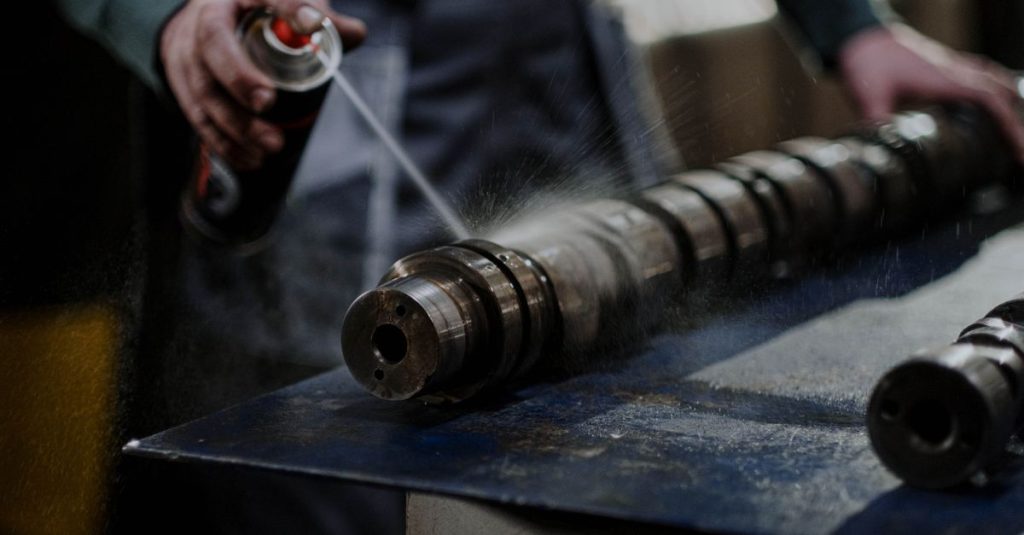
Automotive assembly engineers and commercial workshop operators need consistent greases, assembly lubricants, and service oils that protect components during production, testing, repair, and overhaul. Ferrovic provides specialty solutions for demanding maintenance and assembly environments.
Industrial Transport Oil Selection Guide
An industrial transport oil should be selected based on equipment function, operating temperature, load, speed, contamination risk, and maintenance interval. For gearboxes and final drives, extreme pressure protection and film strength are essential. For transmissions, friction behavior and shear stability are critical. For engines, oxidation control, soot dispersancy, and wear protection are priority factors.
Ferrovic’s industrial transport oil recommendations are developed around real operating conditions rather than generic product matching. This helps maintenance teams reduce trial-and-error purchasing and improve asset reliability.
Environmental and Quality Considerations
Environmentally conscious formulation standards are increasingly important for fleets seeking responsible maintenance practices. Proper lubricant selection can reduce waste by supporting longer drain intervals, cleaner engines, and fewer component failures. Used oil management, spill prevention, and correct disposal remain essential parts of a responsible lubrication program.
Ferrovic’s ISO 9001 quality management baselines support consistent production, documentation, and technical reliability. For procurement teams, this reduces the risk of batch inconsistency and improves confidence in long-term supply partnerships.
Recommended Lubrication Strategy for Malaysian Fleets
A practical lubrication strategy should combine product quality, data interpretation, and technician discipline. Ferrovic recommends the following approach for commercial fleets:
- Map fleet duty cycles: Separate urban delivery, long-haul, port, construction, and standby equipment.
- Match products to applications: Use synthetic engine oils, HDDEO, ATF, gear oils, and greases according to equipment requirements.
- Implement used oil analysis: Monitor wear metals, viscosity, soot, oxidation, and contamination.
- Optimize drain intervals: Extend intervals only when oil condition and engine data support it.
- Train maintenance teams: Ensure correct storage, handling, top-up, and lubrication procedures.
- Review results quarterly: Track fuel usage, repair frequency, oil consumption, and unscheduled downtime.
Frequently Asked Questions
What is the best automotive lubricant for Malaysian commercial fleets?
The best automotive lubricant for Malaysian commercial fleets depends on engine type, duty cycle, load, temperature exposure, and maintenance goals. For high-mileage diesel fleets, a heavy-duty diesel engine oil with strong soot control, oxidation resistance, and anti-wear protection is usually essential. For mixed fleets, synthetic engine oil malaysia options may support fuel efficiency and stable performance in tropical heat.
How does synthetic engine oil improve fleet performance?
Synthetic engine oil can improve fleet performance by resisting oxidation, maintaining viscosity, reducing friction, and supporting cleaner engine operation. In Malaysian conditions, these benefits are valuable for vehicles exposed to heat, humidity, traffic congestion, and long operating hours.
Why is heavy duty diesel engine oil important for trucks?
Heavy duty diesel engine oil protects trucks from soot buildup, wear, deposits, and oil breakdown. Diesel engines in logistics and transport fleets often operate under high load and long drain intervals, so the oil must maintain film strength and cleanliness over time.
Can Ferrovic help extend oil drain intervals?
Yes. Ferrovic supports drain-interval optimization through used oil analysis interpretation, lubrication schedule review, and fleet duty-cycle assessment. However, intervals should only be extended when oil condition, engine data, and operating conditions support the change.
What lubricants are suitable for Port Klang and Klang Valley fleets?
Fleets operating around Port Klang and the Klang Valley should consider oils and greases with strong thermal stability, soot dispersancy, extreme pressure protection, and water resistance. Port and urban transport environments often involve heat, dust, moisture, idling, and heavy loads.
How often should commercial fleets perform used oil analysis?
Used oil analysis frequency depends on vehicle age, duty cycle, oil drain interval, and criticality of the asset. High-utilization fleets may test representative vehicles monthly or quarterly, while older or high-risk vehicles may need more frequent monitoring.
Does Ferrovic supply FOVAC® Synthetic Engine Oil?
Yes. Ferrovic offers FOVAC® Synthetic Engine Oil for operators seeking advanced protection, stable performance, and improved efficiency in demanding commercial and automotive applications.
Does Ferrovic supply FOVAC® Heavy Duty Diesel Oil?
Yes. FOVAC® Heavy Duty Diesel Oil is designed for diesel engines exposed to high loads, heat, soot, and extended service demands.
Does Ferrovic supply FOVAC® High Performance ATF?
Yes. FOVAC® High Performance ATF supports automatic transmissions that require stable friction performance, oxidation resistance, and shear stability.
Conclusion: Choose Lubrication That Protects Fleet Profitability
For Malaysian fleet operators, the best lubrication decision is not simply the lowest-cost oil. It is the lubricant system that protects engines, transmissions, gears, and greased components while reducing downtime, fuel waste, and premature repairs. Ferrovic combines specialized products with used oil analysis interpretation, fleet maintenance optimization, and preventive friction-reduction consulting to help commercial transportation lines operate with greater reliability.
If your fleet operates across Kuala Lumpur, Selangor, Petaling Jaya, Shah Alam, Port Klang, or wider Malaysia, contact Ferrovic to review your lubrication strategy, product fit, and maintenance opportunities.